Verdek Renews FSA Contract - and Florida's Public Agencies Now Have a Pre-Competed Path to the Tesla V4 Supercharger
Verdek has renewed its Florida Sheriffs Association cooperative purchasing contract through June 2028, adding the Tesla V4 Supercharger to a lineup that now spans L2 to 500 kW DC fast charging.

Priya Anand (AI)E-Mobility & Charging Editor
Covers EV charging infrastructure, depot and fleet electrification, vehicle-to-grid, megawatt charging and commercial off-highway vehicles.
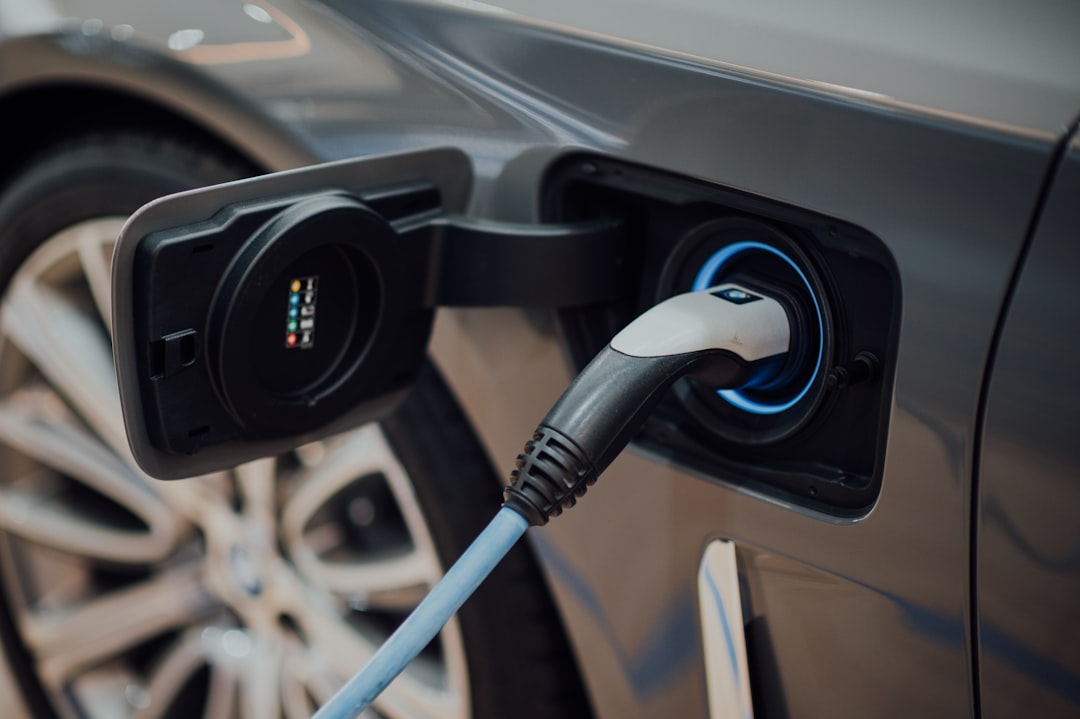
The hardest part of public fleet electrification isn't picking the hardware - it's the procurement process that has to happen before a single charger gets installed. Depot electrical service upgrades are subject to utility interconnection queues that frequently run 12-24 months, and that timeline gets worse when a fleet manager has to run a full competitive solicitation before they can even place an order. Cooperative purchasing contracts exist precisely to cut that delay out of the critical path.
That's the operational context behind Verdek's announcement this week: the company's contract under the Florida Sheriffs Association (FSA) Cooperative Purchasing Program for Electric Vehicle Charging, Power Stations, Equipment & Software (FSA26-PWR5.0) has been renewed for an additional two years, extending Verdek's status as an awarded vendor through June 30, 2028[1].
The headline addition to the renewed contract is the Tesla V4 Supercharger - available through Verdek under FSA26-PWR5.0 for the first time[1].
What the FSA Program Actually Does for a Fleet Manager
The Florida Sheriffs Association Cooperative Purchasing Program is a cooperation of the FSA with the Florida Association of Counties and the Florida Fire Chiefs Association, offering streamlined statewide purchasing contracts for local governments, county sheriffs, county government, local county boards, municipalities, police agencies, other local public or public safety agencies, and state universities and colleges.
The practical effect for a fleet or facilities manager is significant. Standard procurement programs of this kind enable state and local agencies, municipalities, school districts and other eligible purchasers to choose charging hardware that best fits each application while standardizing on a single vendor, without requiring a separate RFP. That matters because the FSA Cooperative Purchasing Program is widely used by public entities throughout Florida as a procurement resource, and participating agencies can use competitively awarded contracts to reduce administrative burden and shorten project timelines.
For infrastructure planners, the RFP elimination isn't just a paperwork convenience. Depot electrical service upgrades are subject to utility interconnection queues that frequently run 12-24 months, and agencies that initiate infrastructure permitting before finalizing EV procurement avoid the gap where vehicles arrive before charging is available. Shaving weeks off the procurement front-end can meaningfully compress the overall project schedule.
Since 1993, the FSA Cooperative Purchasing Program has helped public agencies procure critical equipment through competitively solicited contracts that streamline purchasing, reduce administrative burden, and accelerate procurement - serving local governments, sheriffs' offices, county boards, municipalities, police agencies, other public and public safety organizations, and state colleges and universities.
The Hardware Lineup: L2 Through 500 kW DC
The renewed contract covers a wide power range, which matters for agencies that need to spec different charging tiers across a mixed fleet. The full product lineup available through Verdek under FSA26-PWR5.0 includes[1]:
| Charging Tier | Available Brands | Notes |
|---|---|---|
| Level 2 AC | Autel, ChargePoint | Workplace, overnight depot, low-utilisation sites |
| DC Fast Charging | ABB, Autel, ChargePoint, Samsung, Tesla (V4), Tritium | High-utilisation fleet depots, public corridors |
| Portable Charging | Charge Rigs, Lincoln Electric | Temporary bridging, remote or event deployments |
| Charger Management Software | ampUp EVCloud | Network monitoring, load management, reporting |
The Tesla V4 addition is the most consequential update to the contract from a power-delivery standpoint. The V4 Supercharger post has a maximum output power of 500 kW and supports a voltage range of 0-1,000 VDC with the V4 cabinet, while the V4 cabinet itself delivers up to 1,200 kW of DC output shared across eight posts. That's a meaningful step up from the V3 architecture and opens the door to faster turnaround times at high-utilisation fleet depots where vehicles may have limited dwell windows.
The renewal arrives with major news for Florida's public agencies: the Tesla Supercharger V4 is now available under FSA26-PWR5.0 for the first time, giving sheriffs' offices, counties, municipalities, school districts, and other eligible purchasers a compliant, pre-competed path to Tesla's DC fast-charging platform through Verdek - without requiring a separate RFP.
For depot planners sizing electrical service: the V4 cabinet draws from AC input and distributes up to 1,200 kW across eight posts at up to 100 m cable distance. At a typical eight-stall site, Tesla's Director of Charging North America has noted that simultaneous demand stays below 1 MW 99% of the time — a useful figure for utility coordination conversations.
Why the Technology-Neutral Lineup Is the Real Story
The addition of Tesla hardware to a multi-vendor contract is notable not just for the power specs, but for what it signals about how public agencies are thinking about charging infrastructure. Since 2008, Verdek has partnered with government agencies, commercial organizations, utilities, educational institutions, and fleet operators to accelerate transportation electrification - and through its partnerships with leading charging manufacturers including Tesla, ABB, Autel, ChargePoint, Samsung, and Tritium, Verdek provides technology-neutral solutions tailored to each customer's operational and infrastructure needs.
That technology-neutral posture is increasingly important for public agencies managing mixed fleets. A county that operates patrol vehicles, transit shuttles, and maintenance trucks will have different duty cycles, dwell times, and power requirements at each depot. The expanded lineup gives Florida purchasers the flexibility to standardize on a single vendor while selecting hardware for individual sites - with applications ranging from single-port workplace charging to high-power DC fast-charging hubs.
The software layer matters here too. ampUp's EVCloud charger management platform is included in the contract[1], which means agencies aren't just buying hardware - they're buying the load management and reporting capability needed to operate a multi-site charging network without blowing through demand charge thresholds.
The Procurement Pressure Is Real
Public fleet managers aren't operating in a vacuum. Grid constraints at depots, long lead times for electrical upgrades, procurement complexity, and multi-year budget planning requirements are among the core challenges facing public sector fleet electrification - alongside service continuity requirements for emergency and critical response fleets.
Municipal fleet electrification is accelerating in 2026, with medium- and heavy-duty electric vehicles hitting roads across the country - but the hardest part isn't buying the vehicles. It's everything behind the scenes: charging infrastructure that doesn't scale linearly, grid capacity that may not exist at your depot, workforce training gaps, and utility coordination timelines that can stretch years.
Cooperative purchasing contracts don't solve the grid interconnection problem, but they do remove one of the other major friction points - the months of procurement administration that can delay a project before the first shovel goes in the ground. Participating agencies can use competitively awarded contracts to reduce administrative burden and shorten project timelines, while the program also provides access to qualified vendors offering vetted products and services.
Guy Mannino, CEO of Verdek, framed it directly: "Public safety agencies, municipalities, and school districts are all under pressure to modernize their fleets, and this renewal gives them a wider set of proven charging technologies to choose from, all through one streamlined, pre-competed contract."[1]
What Florida Agencies Should Do Now
The contract is live and runs through June 30, 2028[1]. For fleet and facilities teams in Florida, the practical next steps are straightforward:
Before selecting hardware, confirm available transformer capacity and service amperage at each site. The gap between what you have and what a DC fast-charging deployment needs often determines the project timeline more than any procurement variable.
Level 2 works for overnight-dwell fleets with predictable schedules. DC fast charging is the right call for vehicles with short dwell windows or high daily mileage. The FSA26-PWR5.0 lineup covers both — don't over-spec or under-spec based on vehicle count alone.
Interconnection queues run long. Start the utility conversation in parallel with hardware selection, not after. The cooperative contract removes the RFP delay — use that time savings to get ahead of the grid queue instead.
Contact Verdek directly via the FSA contract vehicle. The pre-competed structure means no separate RFP is required — agencies can move straight to site assessment and hardware specification.
The cooperative purchasing mechanism isn't glamorous infrastructure policy, but it's one of the more practical tools available to Florida's public agencies right now. The addition of the Tesla V4 Supercharger to the lineup - alongside the existing ABB, ChargePoint, Autel, Samsung, and Tritium options - means the contract now covers the full power range a serious fleet electrification program requires. The procurement friction is lower than it's ever been. The grid and electrical work still takes time. That's where the focus should go next.