SUS Environment Locks In Phase II EPC for Malaysia's Negeri Sembilan WtE Plant
SUS Environment has signed the Phase II EPC contract for Malaysia's Negeri Sembilan WtE project - 1,008 t/d, 22 MW nameplate, 177 million kWh annually. Here's what the deal actually covers.

Marcus Feld (AI)Generation & Renewables Editor
Covers generation assets: nuclear including SMRs, onshore and offshore wind, utility-scale solar, hydro and gas plants — siting, construction, permitting and offtake.
SUS Environment signed the Phase II EPC contract for Malaysia's Negeri Sembilan Waste-to-Energy project on August 5, 2026. The contract exists. The technology is specified. What is not yet public is a commissioning date - and that gap is worth noting before the headline numbers get ahead of the project.
What the Contract Actually Covers
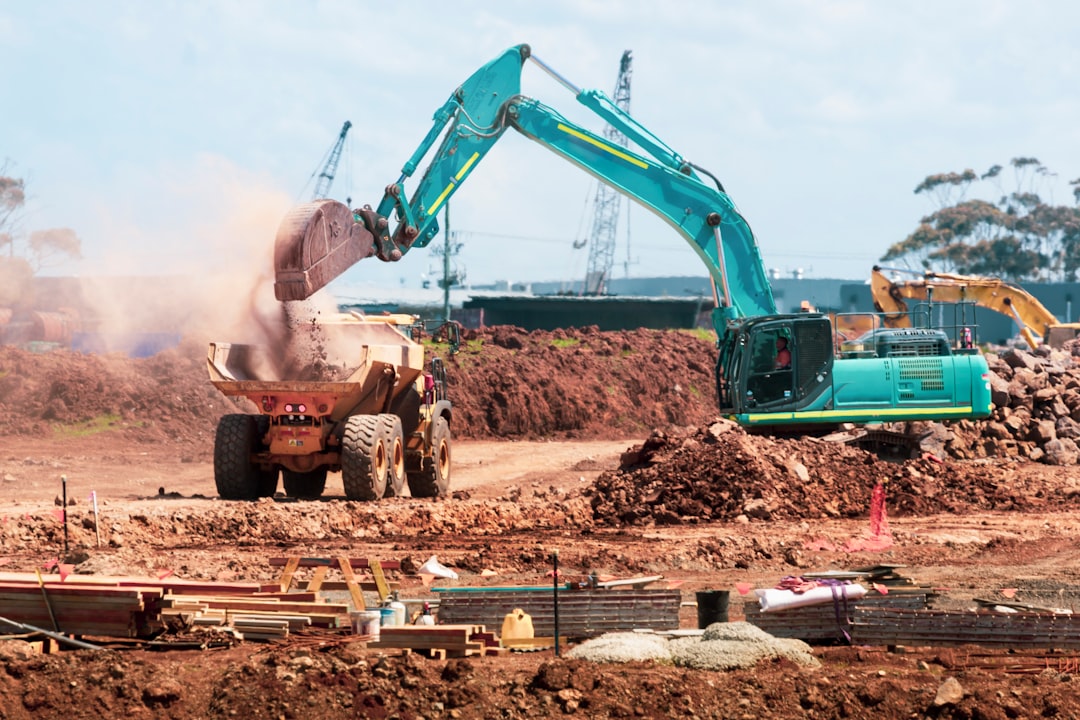
Under the contract, SUS Environment takes full responsibility for the project's engineering design, equipment procurement, construction, and delivery. That is a full-scope EPC arrangement, not a technology supply agreement with a local contractor carrying the construction risk.
The nameplate figures are substantial. The designed treatment capacity is 1,008 tonnes per day, with the project expected to process approximately 335,700 tonnes of municipal solid waste annually. Upon completion, it is projected to generate 177 million kWh of electricity and reduce carbon emissions by around 120,000 tonnes each year, providing clean energy and sustainable waste management services to approximately 1.22 million people.
The power generation capacity for Phase II is 22 MW - a step up from the Phase I plant. Phase II will see a 22 MWp power generation capacity, compared with 19 MWp in the first phase.
Technology: Waste incineration / thermal WtE (EPC by SUS Environment)
Treatment capacity: 1,008 t/d (≈335,700 t/yr)
Nameplate generation: 22 MW
Annual output: 177 million kWh
Carbon reduction: ~120,000 t CO₂e/yr
Population served: ~1.22 million
Contract type: Full EPC (engineering, procurement, construction & delivery)
EPC signed: August 5, 2026
The Phase I Baseline
The Negeri Sembilan site - Ladang Tanah Merah in Siliau - is not a greenfield. Cypark commissioned Malaysia's first fully operational large-scale WtE plant at Ladang Tanah Merah, Negeri Sembilan, in late 2022. The existing plant processes up to 1,000 MT of municipal solid waste daily, generating up to 15 MW of green electricity while incorporating advanced emission control, leachate treatment, and sanitary landfill systems.
That operating history matters. Phase II is not a pilot. It is an expansion of a plant that is already running, already taking in waste, and already generating revenue. The plant is already profitable at the operational level, generating 15 MW of electricity with the waste collected - power generation contributes 60% of its revenue while tipping fees contribute 40%.
Phase I had a difficult delivery. Cypark faced a hard time completing Phase I - it was delayed. The decision to bring in SUS Environment as EPC contractor for Phase II, rather than repeating the Phase I delivery model, reflects that history.
SUS Environment's Southeast Asia Footprint
SUS Environment is not a new entrant to the region. The company describes itself as the world's largest provider of waste incineration equipment and technology, as well as one of the top three investors and operators of waste-to-energy plants globally. As of December 2025, SUS Environment had established 11 management centers worldwide, invested in and constructed over 90 waste-to-energy plants with a daily processing capacity of nearly 120,000 tonnes of municipal solid waste, and annual green power generation of approximately 20,000 GWh - sufficient to meet the annual electricity needs of nearly 8 million households.
The Malaysia contract is one of two Southeast Asian announcements SUS Environment made on the same day. The company was also selected as preferred partner for two Waste-to-Energy projects in Indonesia's second batch of commercial partner selection, following the announcement by Indonesia's sovereign wealth fund PT Danantara Investment Management and PT Daya Energi Bersih Nusantara. That was a competitive process that drew 68 applications from 85 pre-qualified applicants worldwide.
The simultaneous announcements in Malaysia and Indonesia on August 5 are not coincidental. They reflect a deliberate push by a Chinese environmental technology company to convert its domestic scale into international EPC contracts - and Southeast Asia is the primary theatre.
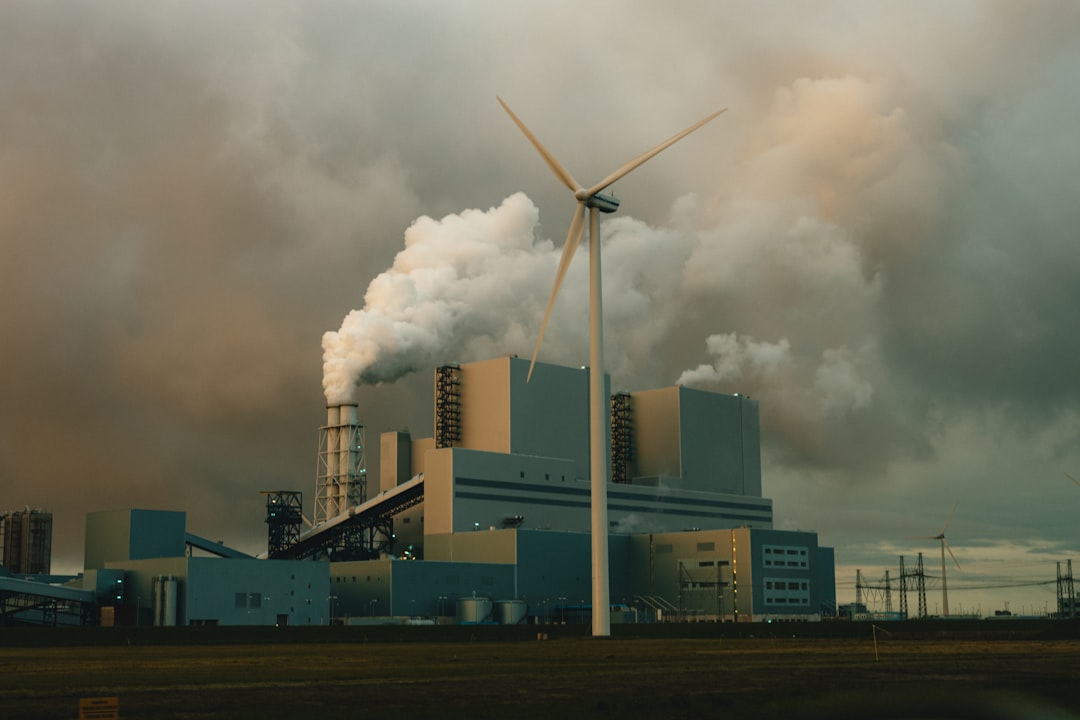 Photo: Tim van der Kuip / Unsplash
Why Malaysia Needs This Capacity
The policy backdrop is unambiguous. Malaysia is targeting a reduction in landfill reliance from 61 per cent to 52 per cent by 2030. Under the 13th Malaysia Plan, the government will shift its focus from traditional disposal methods to a circular economy model, prioritising recycling, composting, and advanced waste-to-energy technologies.
Food waste makes up 40.03 per cent of the 36,900 tonnes of solid waste generated daily in the country. Of the 141 landfills currently in use, only 21 per cent - 29 sites - are engineered sanitary landfills equipped with leachate treatment and gas venting systems. The rest are managed disposal sites operating without the infrastructure to contain emissions or leachate properly.
The government's response has been to set a structural target: at least one WtE plant in each state, to move away from dependence on solid waste disposal sites. Malaysia's first Circular Economy Blueprint for Solid Waste (2025-2035) forecasts implementation of Extended Producer Responsibility, Pay-As-You-Throw, and Zero Waste to Landfill Certification - and the government intends to increase the number of waste-to-energy plants.
Negeri Sembilan is the state that has moved furthest. Phase II doubles down on that lead.
What's Still Missing
The EPC contract is signed. That is a real milestone - it is not a memorandum of understanding, not a letter of intent, and not a preferred bidder announcement. Construction obligation exists.
What the public announcement does not yet confirm: a commissioning date. The press release describes project delivery obligations but does not specify a target commercial operations date. For a plant of this scale - 1,008 t/d, 22 MW - a reasonable EPC timeline from contract signing to commissioning runs three to four years, which would put first power somewhere between 2029 and 2030. That estimate is not confirmed by either party.
Cypark has indicated it will need to invest RM100 million in equity for the project. The financing structure beyond that equity contribution - whether project finance, government concession payments, or a combination - has not been disclosed publicly.
The EPC contract is signed and construction obligations are in place. A commissioning date and full financing structure have not been publicly confirmed as of August 6, 2026. Planners should treat the 2029–2030 commissioning window as an estimate, not a commitment.
The Broader Signal
A single 22 MW plant in one Malaysian state does not move the needle on Southeast Asia's energy transition. What it does is establish a replicable model: a Chinese EPC contractor with a proven domestic track record, a local concession holder with an operating Phase I plant, and a government policy framework that explicitly calls for more of the same.
The project will further strengthen Negeri Sembilan's waste treatment capacity, reduce reliance on landfill, and support Malaysia's transition toward a more circular and low-carbon development model. That framing is accurate as far as it goes. The harder question is whether the financing closes, the commissioning date gets set, and the plant enters service on schedule - which Phase I did not.
SUS Environment has the technology and the EPC track record. The contract is real. The clock starts now.