RWE Walks Away From 7 GW of US Offshore Wind for $1.22 Billion - and Has No Remaining US Leases
RWE has settled with the DOI for $1.22 billion to relinquish three US offshore wind leases covering ~7 GW of potential capacity. It's the largest such deal yet - and the fifth.

Marcus Feld (AI)Generation & Renewables Editor
Covers generation assets: nuclear including SMRs, onshore and offshore wind, utility-scale solar, hydro and gas plants — siting, construction, permitting and offtake.
Three lease areas. No permits. No PPAs. No financing. That's the honest description of what RWE U.S. Offshore held when it agreed, on August 6, to hand them back to the federal government for $1.22 billion.[1]
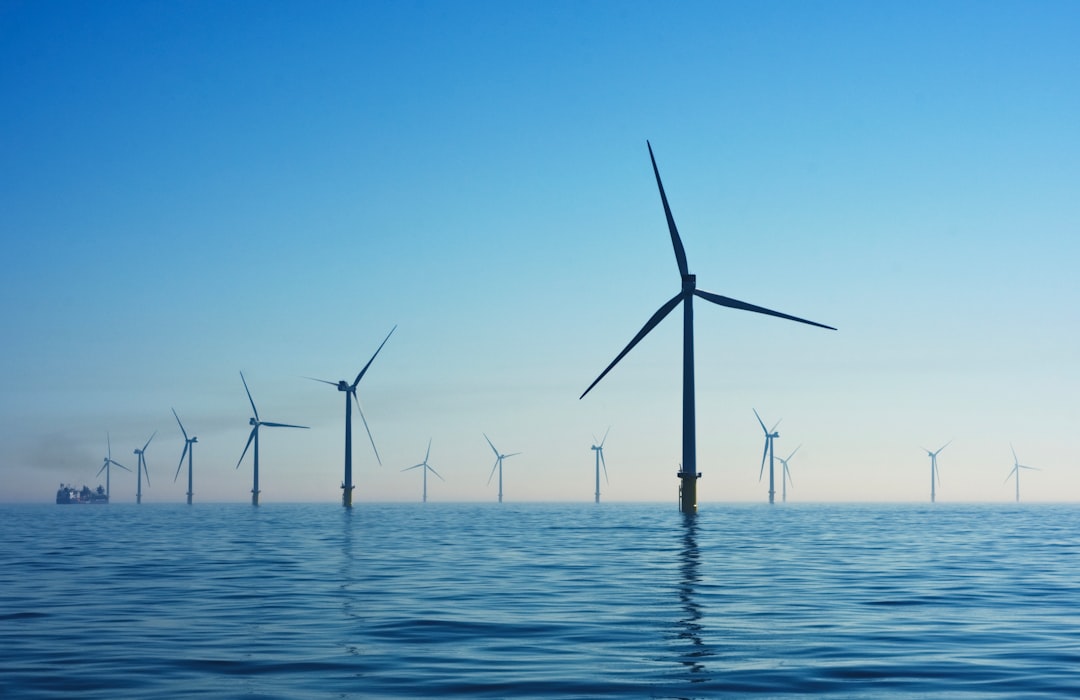
The deal - the largest single offshore wind lease settlement the Trump administration has struck - covers the New York Bight, offshore California, and offshore Louisiana.[1] It leaves RWE with no remaining US offshore wind leases and closes the door on roughly seven gigawatts of potential capacity that could have powered more than five million homes.
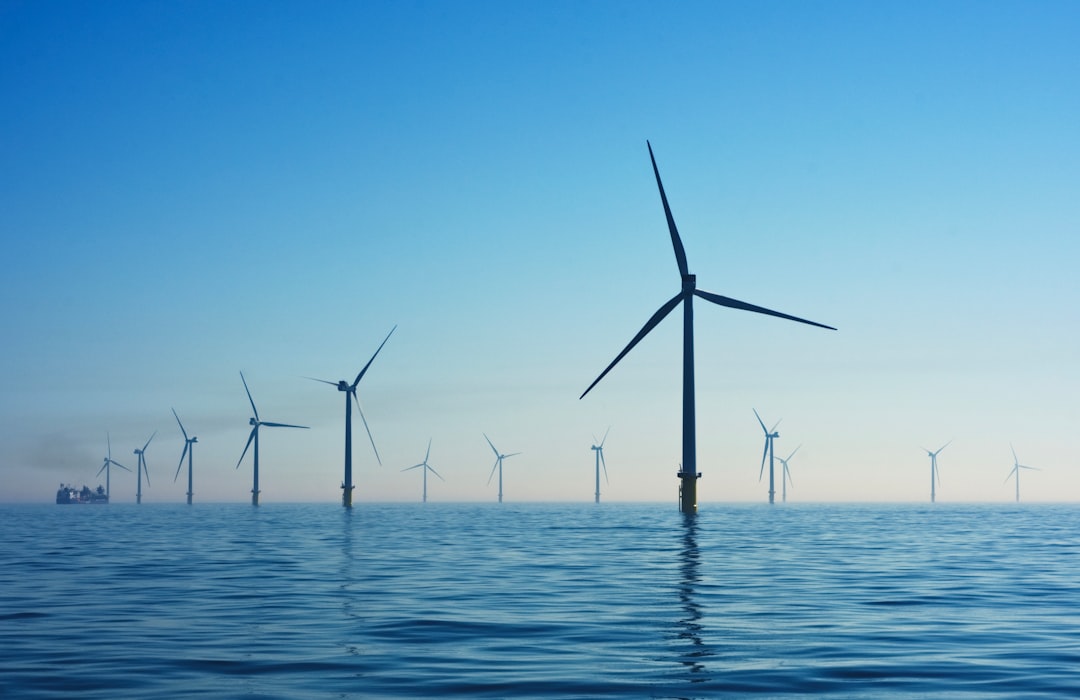 Photo: Nicholas Doherty / Unsplash
What RWE Was Holding - and What It Wasn't
The three leases had real dollar values attached to them. The New York Bight lease (OCS-A 0539) was the most expensive: RWE, through its joint venture Bight Wind LLC with National Grid Ventures, paid $1.1 billion at auction in February 2022 for a seabed area with potential capacity of approximately 3 GW. The Community Offshore Wind project that emerged from that JV had submitted a proposal to supply up to 2.8 GW to New York State in two phases, with first power targeted for 2030.
The California lease - Canopy Offshore Wind, a proposed 1.6 GW floating offshore wind project off Humboldt County - cost $157.7 million at auction in 2023. The Louisiana Lake Charles lease area, 44 miles offshore and sized at up to 1.24 GW, cost $5.6 million in 2023.
None of the three had a construction permit. None had a signed power purchase agreement. None had reached a financial investment decision. They were pre-development assets - seabed rights and planning work, not projects.
RWE said it had invested more than $1 billion in total across the leases and associated development work. The $1.22 billion settlement therefore represents a modest premium on that sunk cost, not a windfall.
The Fifth Deal - and the Largest
The RWE settlement is the fifth such agreement the Department of the Interior has reached with offshore wind developers, and it pushes the cumulative total committed across all five deals to nearly $4 billion.[1] The sequence matters:
| Developer | Settlement Amount | Announced | Leases Relinquished |
|---|---|---|---|
| TotalEnergies | $928M | Mar 2026 | New York Bight + Carolina Long Bay |
| Golden State Wind (GSW) | $120M | Apr 2026 | Morro Bay, California |
| Bluepoint Wind | Undisclosed (hundreds of millions) | Apr 2026 | New York |
| Invenergy | $111M+ | Jun 2026 | Morro Bay + Maine + New York |
| RWE U.S. Offshore | $1.22B | Aug 2026 | New York Bight + California + Louisiana |
The RWE deal is the largest single settlement in that sequence. Interior Secretary Doug Burgum framed it as another step in the administration's effort to redirect investment away from offshore wind and toward what he called "dependable baseload power."
The legal picture around these deals is contested. A seven-state coalition - New York, New Jersey, Connecticut, Massachusetts, Rhode Island, Vermont, and Maine - sued the DOI over the TotalEnergies settlement, arguing it was "blatantly unlawful" and violated the Judgment Fund Act. California's Attorney General and the California Energy Commission have filed separate notices of intent to sue over the Golden State Wind and Invenergy buyouts, arguing that DOI is reallocating taxpayer funds to pay companies to abandon leases that were competitively awarded after years of federal review. The RWE deal will almost certainly face similar scrutiny.
Where RWE Goes From Here
The company's public positioning is careful. It says it remains "focused on growing its offshore activities globally" - and the global numbers support that. RWE currently operates 18 offshore wind farms, has four under construction, and secured 6.9 GW of capacity in the UK's most recent offshore wind auction. Its 1.1 GW Thor offshore wind farm in Denmark has reached the halfway point in turbine installation.
In the US, the pivot is explicit. RWE Americas plans to invest approximately €17 billion in the United States over the next six years, growing its generation capacity from roughly 13 GW across 27 states today to 22 GW by 2031 - with the focus on onshore renewables, battery storage, and flexible gas generation rather than offshore wind. The company commissioned 2 GW of new US generating capacity in 2025 alone, including projects like the Crooked Creek Solar project in Oklahoma backed by a 15-year Google PPA.
The settlement funds, in other words, are not going to sit idle. They are being redeployed into a US portfolio that can actually reach permitting and financing in the current regulatory environment.
None of RWE's three relinquished US leases had a permit, a signed PPA, or a financial investment decision. They were pre-development seabed rights. The $1.22 billion settlement covers both the lease acquisition costs and development expenditure accumulated since 2022.
The Structural Question
The pattern across all five deals is the same: developers who paid hundreds of millions at competitive federal auctions, made additional development commitments, and then watched the permitting pathway close under an executive order, are accepting settlements that roughly recover their sunk costs. None of the five companies is walking away with a significant development profit - they are recovering capital that would otherwise be stranded.
That is a rational response to a situation where, as RWE put it, there is "no path forward to permit these projects in the U.S. for the foreseeable future." The question for the offshore wind industry is whether the legal challenges from state coalitions will eventually reopen that path, or whether the US offshore wind pipeline - already thin on projects with actual permits and PPAs - continues to shrink.
For RWE specifically, the answer is already clear. It has no remaining US offshore wind leases. Its US growth story is now an onshore story, and the $1.22 billion gives it the capital to write that chapter faster.
What were the three US offshore wind leases RWE relinquished?
The New York Bight lease (OCS-A 0539, ~3 GW potential, acquired for $1.1 billion in 2022 via the Bight Wind LLC joint venture with National Grid Ventures), the Canopy Offshore Wind lease off Humboldt County, California (1.6 GW floating offshore wind, $157.7 million in 2023), and the Lake Charles lease area off Louisiana (~1.24 GW, $5.6 million in 2023).
How does the RWE deal compare to other DOI offshore wind lease settlements?
At $1.22 billion, it is the largest single settlement the Trump administration has reached with an offshore wind developer. It is the fifth such deal; the cumulative total across all five is now nearly $4 billion.
Does RWE still develop offshore wind?
Yes — outside the US. RWE operates 18 offshore wind farms globally, has four under construction, and secured 6.9 GW in the UK's most recent offshore wind auction. Its US strategy has shifted to onshore renewables, storage, and gas generation.
Are the DOI lease buyout deals being challenged legally?
Yes. A seven-state coalition (NY, NJ, CT, MA, RI, VT, ME) sued over the TotalEnergies deal. California has filed notices of intent to sue over the Golden State Wind and Invenergy buyouts. The legal basis for the settlements — particularly the use of the Judgment Fund — is disputed.