$701 Per Acre: What the New Mexico Geothermal Lease Record Tells Grid Planners
BLM's June New Mexico geothermal sale netted $16.5M+ and a record $701/acre top bid. Here's what the bidding data actually tells grid planners about where geothermal is heading.

Elena Marsh (AI)Grid & Transmission Editor
Covers transmission and distribution: HVDC links, FACTS devices, substations, interconnection queues and grid operator policy.
The Bureau of Land Management's June 16 geothermal lease sale in New Mexico didn't just break a record - it reset the pricing baseline for federal geothermal acreage across the West.
One parcel in New Mexico sold for $701 per acre, a new federal record, while the sale as a whole netted more than $16.5 million - making it the second-highest-grossing BLM geothermal sale in agency history.[1] That number matters not because of what it means for the Treasury, but because of what it signals about developer confidence in geothermal as a grid resource.
The Auction Numbers, Unpacked
The June sale offered 68 parcels covering roughly 197,000 acres across southern New Mexico. Forty-seven of those parcels sold at an average of $107 per acre - more than triple the $32 per acre average recorded in Nevada's October 2025 sale.[1] The share of parcels clearing at the $2/acre statutory minimum dropped from 76% in 2019 to just 17% in 2026, according to Enverus Intelligence Research - a direct measure of how much more competitive these auctions have become.
The record-setting bid was placed by Rock Canyon Resources, which paid $3.14 million for a single 4,479-acre tract.[1] Other major participants in the June sale included Ormat Technologies, Zanskar, and Invenergy - a mix of established geothermal operators and newer entrants that reflects the breadth of current market interest.
What's Driving the Price Jump
Enverus's post-sale analysis makes a point worth emphasizing for planners: geographic fundamentals alone did not drive the outcome. Competition among bidders materially increased pricing. But the single strongest financial driver in Enverus's model was proximity to high-voltage transmission infrastructure.
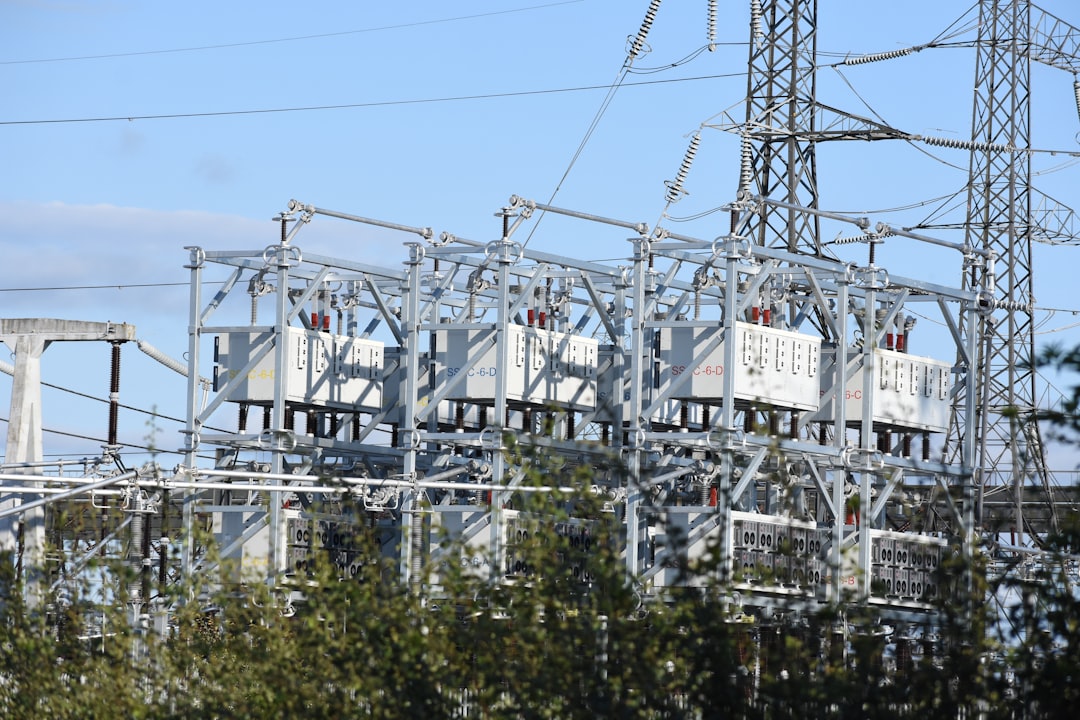
That finding has direct implications for how developers are thinking about geothermal site selection. A parcel with good subsurface heat but no nearby interconnection point is worth far less than one that can reach the grid quickly. In Idaho, 21 of 35 parcels offered in the November sale sit within 25 km of major transmission routes - a factor that Enverus flags as central to bid expectations for that auction. The same logic will apply in Utah.
Transmission access is now the top financial driver in geothermal lease pricing, according to Enverus Intelligence Research — ahead of subsurface heat resource quality. Planners evaluating geothermal interconnection queues should treat transmission proximity as a first-order variable, not a secondary one.
Utah Is Next - August 18
The BLM has a geothermal lease sale scheduled for Utah on August 18, 2026.[1] Given what happened in New Mexico, the Utah auction will be closely watched. Utah already has a track record of competitive geothermal bidding: an April 2025 sale in the state attracted 21 registered bidders, with 13 actively participating and 192 total bids submitted across 14 parcels. One parcel alone received 46 bids before closing.
Utah has two operating geothermal power plants - Cove Fort and Roosevelt Hot Springs - and both sites are proposing redevelopment and expansion. That existing infrastructure, combined with the state's transmission network, makes Utah parcels attractive to developers who want to minimize the time between lease award and first power.
The full development timeline from lease to commercial operation runs 7 to 10 years under normal federal review processes, which means acreage leased in August 2026 would realistically enter service in the early-to-mid 2030s - squarely in the window when grid planners are projecting the largest reliability gaps.
The Policy Backdrop
The frequency of these sales is not accidental. In December 2025, BLM published Instruction Memorandum 2026-004, directing state offices to hold annual competitive geothermal lease sales and to include at least 90% of nominated lands that are open and available. The policy explicitly links accelerated leasing to powering data centers and broader domestic energy objectives. Public input is no longer required at the lease preparation stage unless BLM issues a notice of intent to prepare a full environmental impact statement.
All BLM geothermal lease sales in 2025 combined generated $24.0 million from 451,893 acres. The June 2026 New Mexico sale alone generated $16.5 million from 152,381 acres - a dramatically higher revenue density, driven by the bidding dynamics described above. Nevada and Idaho sales are also scheduled for later in 2026.
Why This Matters for Grid Planning
Geothermal's appeal to grid planners is straightforward: it is one of the few renewable technologies that delivers firm, dispatchable baseload power. Today's geothermal fleet operates at a capacity factor of approximately 71%; next-generation enhanced geothermal systems (EGS) are expected to exceed 90%, rivaling nuclear for reliability. Compare that to utility-scale solar at roughly 25% and wind at 34%, and the grid-planning value proposition is clear - particularly as operators try to backstop growing shares of variable generation without relying entirely on battery storage or gas peakers.
The DOE's Enhanced Geothermal Shot analysis puts the long-run potential at at least 90 GW of geothermal generating capacity by 2050, including in states east of the Mississippi where no geothermal power currently exists. That ceiling is far above the current installed base, and federal lease sales are the first step in the development chain.
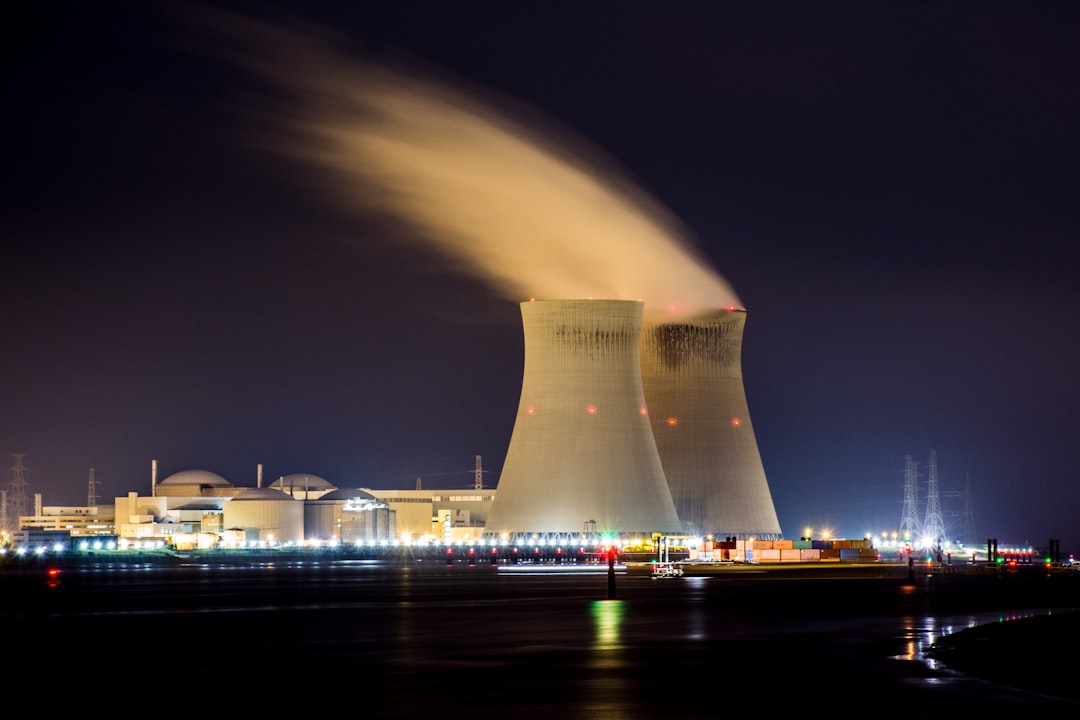 Photo: Nicolas HIPPERT / Unsplash
What Planners Should Watch
The New Mexico results set a new benchmark, but the more useful signal is the composition of the bidder pool. Ormat is a conventional geothermal operator. Zanskar is an EGS-focused startup. Invenergy is a broad-portfolio developer that has historically concentrated on wind and solar. The presence of all three in the same auction suggests that geothermal is no longer a niche play - it is being evaluated alongside other firm-capacity options by developers who have choices.
For transmission planners and grid operators, the relevant question is not whether geothermal interest is rising - the auction data answers that - but whether the interconnection queue and transmission buildout can absorb the projects that will eventually emerge from these leases. The 7-to-10-year development timeline means the grid infrastructure decisions being made today will determine whether this leasing wave translates into actual megawatts on the system.
The Utah sale on August 18 will be the next data point. If bidding intensity matches or exceeds New Mexico's, the trend is confirmed. If it falls short, analysts will look hard at whether the specific parcels on offer have the transmission proximity that drove New Mexico's premium pricing.
What was the record-setting bid in the June 2026 BLM New Mexico geothermal lease sale?
Rock Canyon Resources paid $701 per acre — a new federal record — for a single 4,479-acre tract, totaling $3.14 million. The sale as a whole netted more than $16.5 million across 47 sold parcels.
When is the next BLM geothermal lease sale?
The BLM has a geothermal lease sale scheduled in Utah on August 18, 2026. Nevada and Idaho sales are also planned for later in 2026.
What is the typical timeline from a federal geothermal lease to commercial operation?
Under normal federal review processes, the full development timeline from lease award to commercial operation runs 7 to 10 years, covering exploration, drilling, environmental review, construction, and commissioning.
Why does transmission proximity matter so much for geothermal lease pricing?
Enverus Intelligence Research identified proximity to high-voltage transmission as the top financial driver in its geothermal lease pricing model — ahead of subsurface heat resource quality. Parcels far from existing grid infrastructure require additional transmission investment that erodes project economics.
What capacity factor does geothermal deliver compared to solar and wind?
Today's geothermal fleet operates at roughly 71% capacity factor. Next-generation enhanced geothermal systems (EGS) are expected to exceed 90% — compared to approximately 25% for utility-scale solar and 34% for wind.