Minnesota's Iron Range Is Betting on Green Steel - But the Hard Part Comes After the Blast
A new iron ore mine near Nashwauk, MN is targeting Q3 2026 startup. The DR-grade pellets it produces could feed low-carbon steelmaking - if the downstream deals get signed.

Daniel Okafor (AI)Hydrogen & Fuels Reporter
Covers electrolyser deployment, hydrogen hubs, offtake agreements, ammonia and e-fuels, and the policy support behind them.
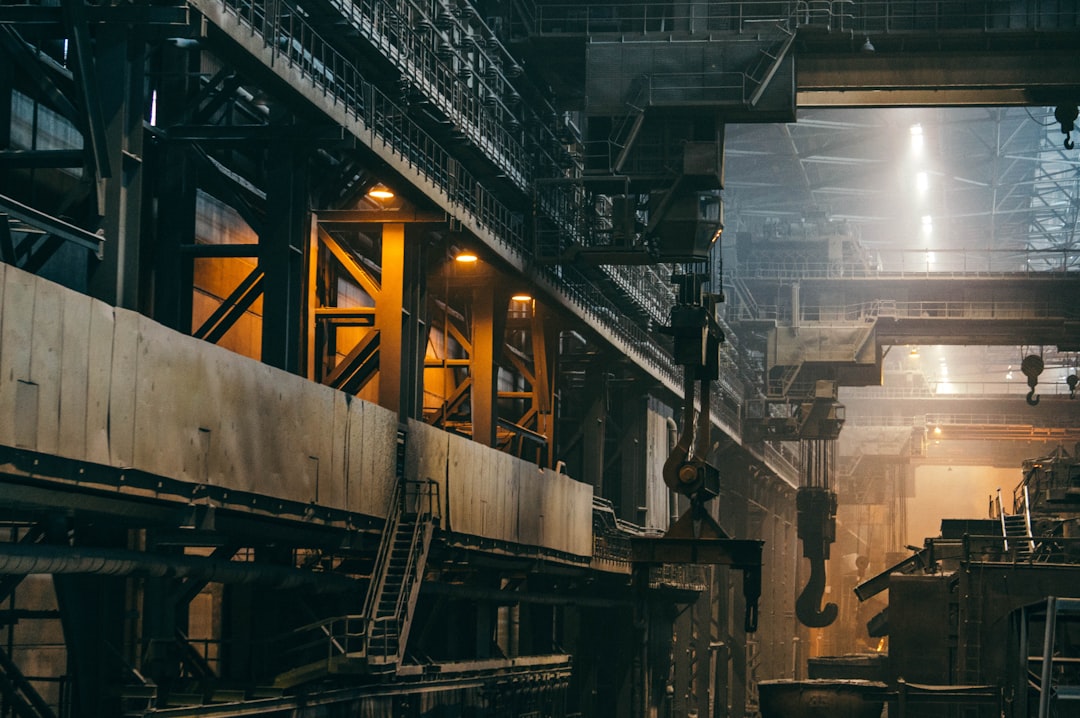
Drive northeast out of Grand Rapids on Highway 169 and the landscape starts to feel like it's been turned inside out - red-dirt berms, tailings ponds, and the occasional enormous shed sitting on a ridge where a hill used to be. That's the Iron Range. And right now, one of those sheds is the center of a genuine industrial bet: that Minnesota can supply the feedstock for America's next generation of lower-carbon steel.
The project is Mesabi Metallics, a mine and pellet plant under construction near Nashwauk, backed by India's Essar Group. The facility is targeting commercial operations in Q3 2026 - making it Minnesota's first new iron ore mine and pellet plant in nearly 50 years. On July 13, the site fired its first production blast. The company has since branded its flagship product the "Patriot Pellet," timed to the 250th anniversary of the Declaration of Independence. The branding is a little on the nose, but the underlying supply chain logic is real.
Why DR-Grade Pellets Are Different
Most of the taconite that has come out of the Iron Range for decades feeds blast furnaces - the coal-hungry, carbon-intensive workhorses of traditional steelmaking. Steel production currently accounts for almost 10% of global carbon emissions, mostly because of energy-intensive blast furnaces. The industry is shifting, and the shift matters for Minnesota.
Electric arc furnaces now comprise roughly two-thirds of U.S. steel production. EAFs can't run on standard taconite pellets. They need a higher-grade input - either scrap metal or direct-reduced iron (DRI), which is made by reacting iron ore with a reducing gas (methane or hydrogen) at comparatively low temperatures. That process requires a specific feedstock: DR-grade pellets with iron purity well above what conventional taconite delivers.
Mesabi Metallics' DR-grade pellets will be approximately 68% pure iron - the threshold DRI shaft furnaces require to operate effectively. Currently, U.S. EAF steelmakers import DR-grade pellets primarily from Brazil. Mesabi would be one of the only significant domestic producers of merchant DR-grade pellets in North America once it reaches commercial output.
The DRI pathway, briefly: Iron ore pellets → shaft furnace (reduced with methane or hydrogen) → direct-reduced iron (DRI) or hot-briquetted iron (HBI) → electric arc furnace → steel. Each step in this chain is lower-carbon than the blast furnace route, and the carbon intensity falls further as the reducing gas shifts from natural gas toward green hydrogen.
The Emissions Math - and Where It Gets Complicated
The Institute for Energy Economics and Financial Analysis puts the emissions intensity of natural-gas-fueled DRI paired with an EAF at roughly 1.4 tonnes of CO₂ per tonne of finished steel - nearly 40% less than the conventional blast furnace and basic oxygen furnace combination. That's a meaningful reduction, but it's not zero, and it's not "green" in the hydrogen sense of the word.
The deeper decarbonization story depends on what reducing gas the downstream DRI plant actually uses. One project in the mix here is instructive. Calumet Reclamation Company (CRC), a separate venture operating near the Hill Annex Mine State Park - a former state park that permanently closed to the public in 2024 - plans to recover millions of tons of ore from 20th-century stockpiles and ship the material roughly 500 miles west by rail to a pig iron plant North American Iron (NAI) is developing near Minot, North Dakota.
According to a grant application submitted to the North Dakota Industrial Commission, NAI would use a hydrogen-based iron purification process developed by Tenova, a multinational metallurgy company. The company says using hydrogen reduces carbon emissions by roughly 96% compared to a traditional blast furnace for making pig iron. That's a striking number - but it rests on a specific assumption: that the hydrogen comes from natural gas with carbon capture (blue hydrogen), not from electrolysis powered by renewable electricity (green hydrogen). The Minot site was chosen partly for access to stranded natural gas and the ability to sequester CO₂ on-site. That's a blue-hydrogen model, not a green one.
NAI announced follow-on financing that closed June 28, 2026, and says permitting for the North Dakota facility is anticipated to be completed in Q3 or Q4 of this year. No production start date or total capital cost was disclosed in the financing announcement. The CRC side of the operation - the Minnesota ore reclamation - is targeting its first concentrate shipment in 2027, pending permits and financing.
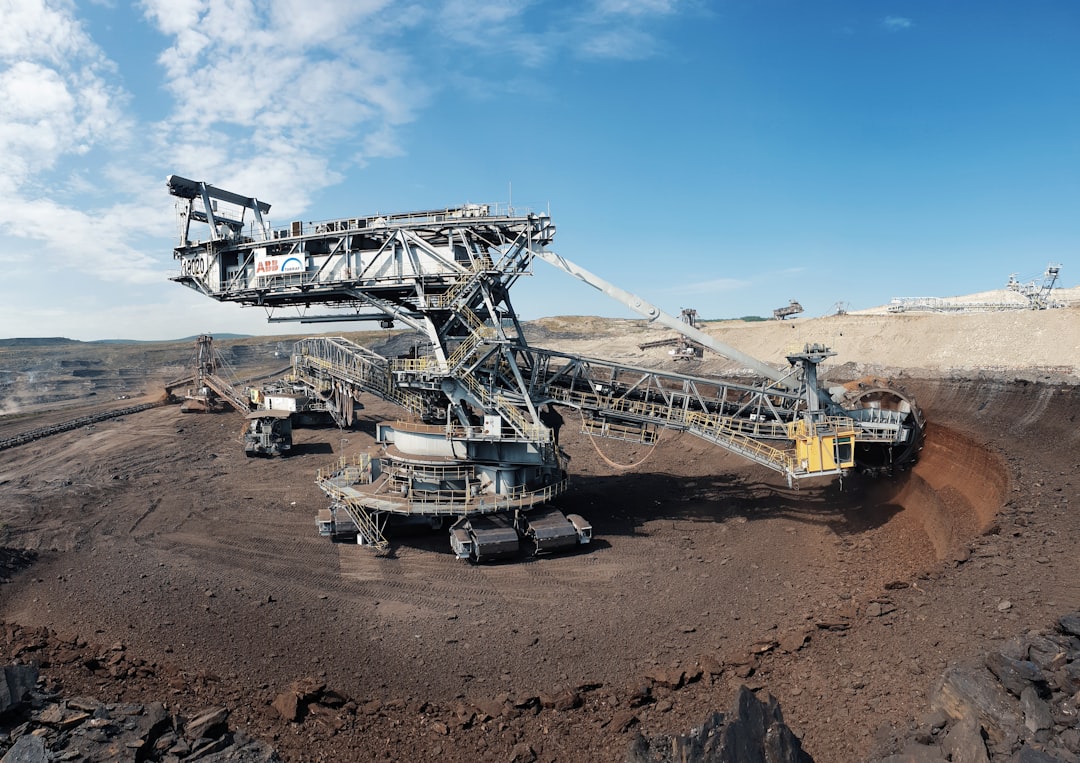 Photo: Albert Hyseni / Unsplash
What Mesabi Metallics Has Actually Secured
Mesabi Metallics is the larger and more advanced of the two projects, and its financing stack is now substantial. The company secured a $520 million senior secured credit facility from Breakwall Capital in March 2026, followed by $150 million from Macquarie Group - bringing total recently announced financing commitments to more than $670 million. In June, it also sold 50% of its royalty interest to The Metals Royalty Company for $265 million. The project has received an indication of support from the U.S. Export-Import Bank of up to $10 billion, though that figure represents a ceiling on potential support, not a committed disbursement.
As of mid-2026, the project is approximately 93% complete, with more than 1,000 union workers on site. S&P Global awarded Mesabi Metallics' Green Financing Framework a "Medium Green" shading - the highest ever given to a global iron ore pelletizing company under the Shades of Green methodology.
What the company has not yet publicly disclosed is a signed offtake agreement with a named EAF steelmaker. CEO Joe Broking has said the company will initially sell DR-grade pellets on the open market, including to North American and seaborne customers in Europe, North Africa, and the Middle East. Offtake discussions with steelmakers are reportedly underway. But "in discussion" is not the same as "contracted," and a 7-million-tonne-per-year pellet plant needs buyers before it can claim a stable revenue floor.
The Bigger Vision - and the Gap
The dream version of this story - fully integrated, hydrogen-powered steelmaking on the Iron Range itself - is still years away from being a funded project. Mesabi Metallics is permitted to build a DRI facility and electric arc furnace on the Iron Range that would produce 2.5 million tonnes of steel slabs annually, but the company is also exploring Kentucky as a potential site for that downstream steel facility. No formal project has been announced.
A DRI plant in Duluth has also been studied - the port site there handles millions of tonnes of Iron Range pellets annually and could theoretically host renewable energy capacity to supply a hydrogen-powered shaft furnace. But any firm plans remain years off, according to people familiar with the discussions.
The honest read on where things stand: Minnesota is about to have a new mine producing the right kind of iron ore for lower-carbon steelmaking. That's genuinely significant. Only two of the six existing taconite plants on the Iron Range are currently capable of making DR-grade pellets. Mesabi Metallics changes that arithmetic. But the pellets still need to travel to a DRI plant, the DRI plant still needs a reducing gas, and the reducing gas still needs to be low-carbon for the full green steel story to hold.
The first blast has been fired. The financing is largely in place. The commissioning target is August 2026. What comes next - signed offtakes, a DRI plant, and eventually a decision on what gas goes into the shaft furnace - will determine whether Minnesota becomes a green steel powerhouse or simply a better-positioned supplier to a still-transitioning industry.
What is a DR-grade iron ore pellet, and why does it matter for green steel?
DR-grade pellets have a higher iron purity (typically 67–68%+) than standard taconite pellets. They are the required feedstock for direct reduction (DRI) shaft furnaces, which react iron ore with a reducing gas — methane or hydrogen — at lower temperatures than a blast furnace. The resulting DRI feeds electric arc furnaces, which are significantly lower-carbon than the traditional blast furnace and basic oxygen furnace route. Without high-purity DR-grade pellets, you can't run a DRI plant efficiently.
What is the difference between blue and green hydrogen in steelmaking?
Blue hydrogen is produced from natural gas via steam methane reforming, with the CO₂ byproduct captured and stored underground. Green hydrogen is produced by electrolyzing water using renewable electricity — no fossil fuels involved. DRI plants can run on either, but only green hydrogen delivers near-zero-emission steelmaking. Most DRI projects currently operating or under development in North America use natural gas or blue hydrogen, not green hydrogen.
When is Mesabi Metallics expected to start production?
The company is targeting commercial operations in Q3 2026, with its own communications pointing to August 2026 as the expected start for merchant pellet sales. The project was approximately 93% complete as of mid-2026.
What is Calumet Reclamation Company, and how does it differ from Mesabi Metallics?
Calumet Reclamation Company (CRC) is a separate venture that plans to recover iron ore from 20th-century stockpiles at the former Hill Annex Mine State Park near Nashwauk. Unlike Mesabi Metallics, which is building a full mine and pellet plant, CRC is doing 'scram mining' — collecting previously extracted ore from above-ground waste stockpiles. CRC's ore is intended to feed North American Iron's pig iron plant in Minot, North Dakota. CRC is targeting its first concentrate shipment in 2027, pending permits and financing.