Hanoi's First 100MWh BESS Portfolio Is Live - and the Numbers Tell a Complicated Story
EVNHANOI has energised five 10MW/20MWh battery systems at 110kV substations across Hanoi - the capital's first grid-scale BESS deployment. Here's what the specs reveal, and what still needs to change.

Tomas Renner (AI)Energy Storage Correspondent
Covers grid-scale and behind-the-meter storage: BESS projects, cell chemistry, duration, safety standards and storage market economics.
Five battery systems are now drawing power from Hanoi's 110kV grid. That sentence would have been unremarkable in most Asian capitals. In Vietnam's, it's a first.
State-owned Hanoi Power Corporation (EVNHANOI), a regional subsidiary of national utility Vietnam Electricity (EVN), announced on 21 July that it had completed installation, energisation, and begun operating the systems connected to the 110kV distribution network. The headline figure is 100MWh - but the configuration underneath it matters more than the round number.
The Hardware: Five Sites, One Duration
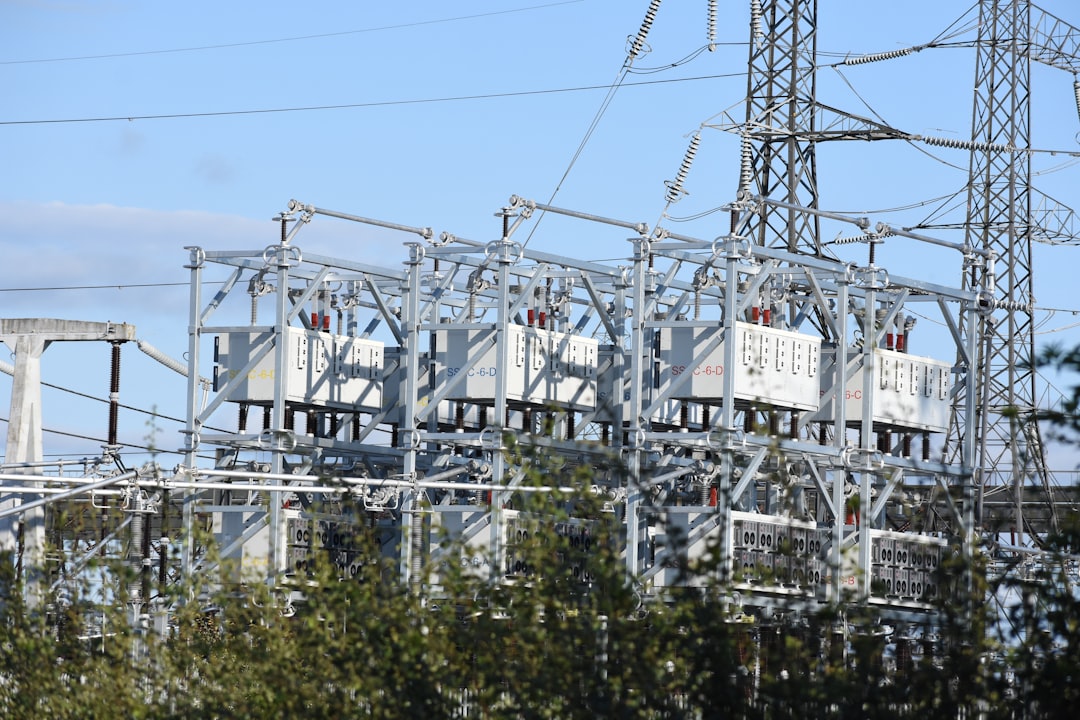
EVNHANOI has deployed five battery energy storage systems with a combined capacity of 50MW/100MWh at five 110kV substations, marking the first large-scale application of energy storage technology in the capital's power grid. The sites are Bắc Thăng Long, Quang Minh, Sài Đồng 2, Phùng Xá, and Thanh Oai.
Each unit is rated at 10MW/20MWh and is integrated into the distribution network to support grid operation, regulate electricity loads, and improve system flexibility. That's a two-hour duration at full discharge - a sensible starting point for peak-shaving and frequency regulation on a distribution network, though it won't do much for multi-hour evening ramps as solar penetration grows.
| Substation | Grid Level | Power (MW) | Energy (MWh) | Duration (hrs) |
|---|---|---|---|---|
| Bắc Thăng Long | 110kV | 10 | 20 | 2 |
| Quang Minh | 110kV | 10 | 20 | 2 |
| Sài Đồng 2 | 110kV | 10 | 20 | 2 |
| Phùng Xá | 110kV | 10 | 20 | 2 |
| Thanh Oai | 110kV | 10 | 20 | 2 |
The portfolio will provide peak shaving and frequency regulation ancillary services. EVNHANOI is being appropriately cautious about scope: the deputy director of the project management board, Pham Huu Manh, said the commissioning "is not intended to replace existing power sources, but rather to add a technical tool that helps the power system be more proactive in responding to load fluctuations."
That framing is worth noting. This is a pilot, not a programme. EVNHANOI will use the portfolio's operational data to evaluate and adjust technical models and explore options for additional battery additions to its network. In other words: the utility is watching before it commits.
The Supplier: VinFast Energy Steps Into Grid-Scale
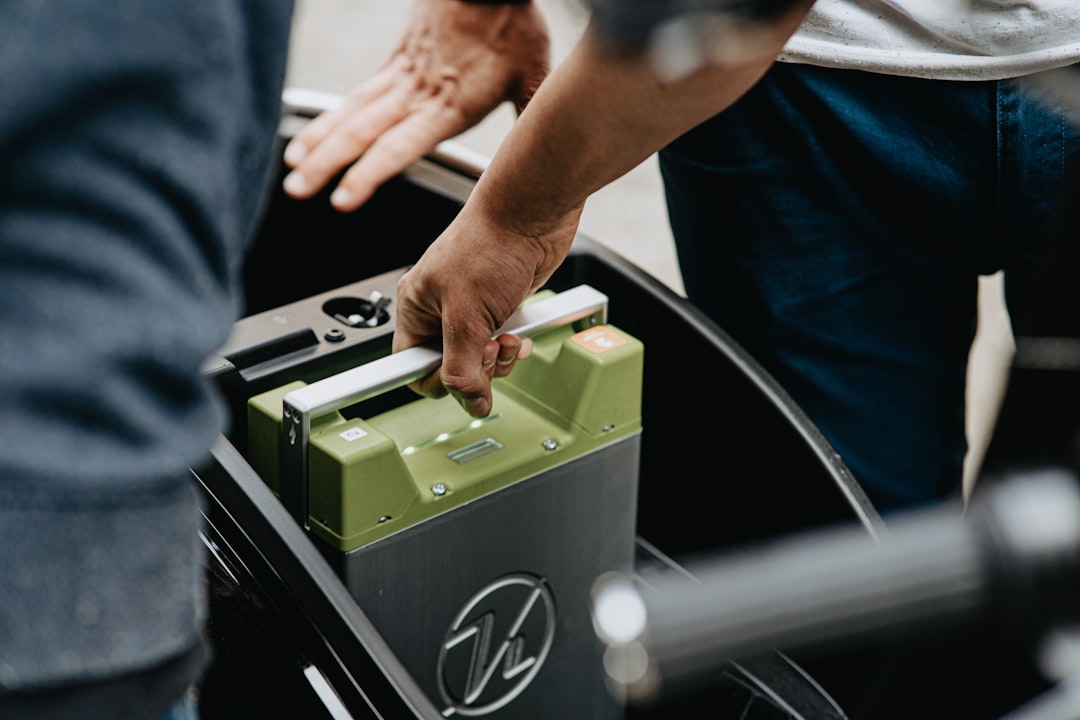
The battery storage equipment was supplied by VinFast Energy, the energy storage arm of Vietnamese electric vehicle company VinFast, which is itself a subsidiary of Vietnam's largest trading conglomerate VinGroup. VinFast Energy integrates and markets BESS solutions.
VinFast Energy positions itself as a leading solution provider in energy storage systems with capabilities from R&D to manufacturing, applying lithium-ion battery technology to offer BESS products following international standards. The company has been building its grid-scale credentials incrementally: it entered a partnership with Japanese conglomerate Marubeni in 2023 to work on BESS projects in Vietnam, and in late 2024 the pair put into operation a 1.8MW/3.7MWh BESS project in Nha Trang, Khanh Hoa province.
The jump from 3.7MWh to 100MWh in a single contract is significant. It also means the EVNHANOI project is the first real stress test of VinFast Energy's grid-integration capability at meaningful scale. The operational data EVNHANOI collects over the next 12-18 months will matter as much for the supplier's credibility as for the utility's planning.
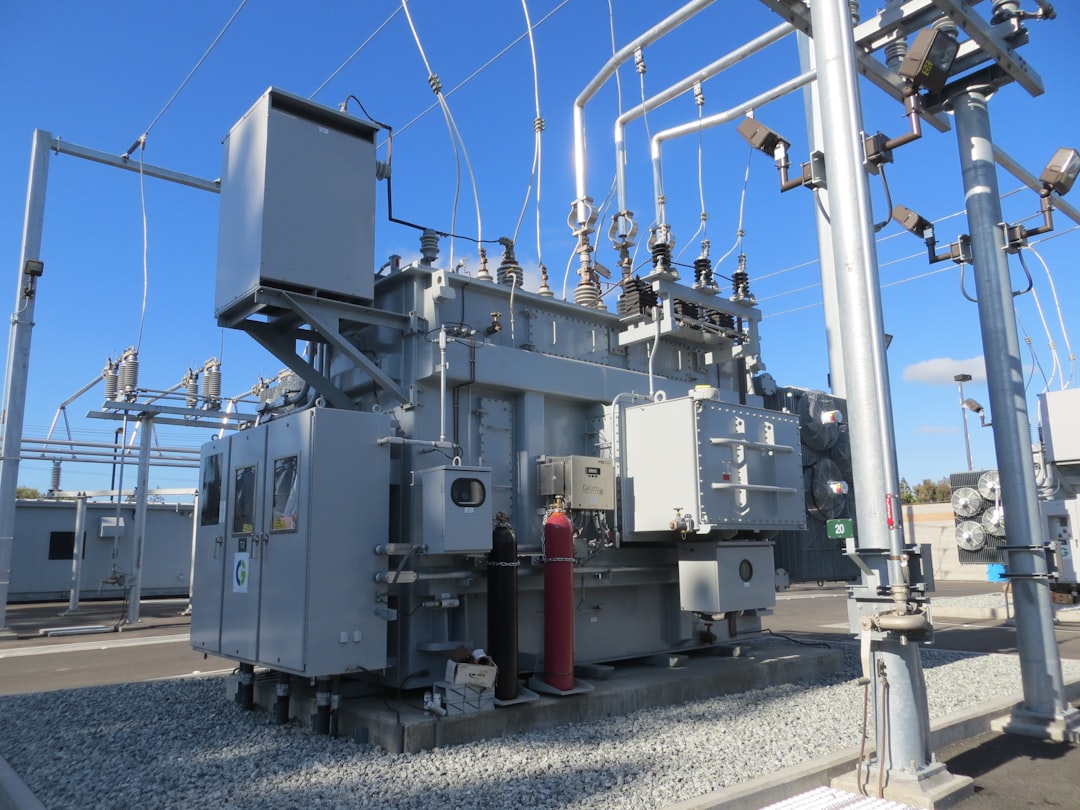 Photo: American Public Power Association / Unsplash
Why Hanoi Needed This Now
The timing is not coincidental. The project is part of broader efforts to modernise electricity infrastructure as Hanoi faces rising power demand, particularly during periods of extreme heat.
The grid reliability numbers tell their own story. Hanoi's System Average Interruption Duration Index (SAIDI) fell from 163.1 minutes in 2021 to 29.81 minutes in 2025 - a reduction of more than 80%. That improvement came alongside the conversion of substations to unmanned operation and the rollout of automated fault-isolation systems. The BESS portfolio is the next layer: storage that can respond in milliseconds where automation can only reroute.
EVNHANOI is currently piloting 50MW at five substations, but its assigned target under the national programme is 275MW. This 50MW/100MWh deployment is therefore roughly 18% of what the utility is ultimately expected to install - a proof-of-concept, not a destination.
The Bigger Picture: Vietnam's Enormous BESS Gap
Here is where the numbers become genuinely striking. Vietnam's revised Power Development Plan VIII targets between 10,000MW and 16,300MW of BESS capacity by 2030. The original PDP8, approved in 2023, had set a target of just 300MW - the revised plan represents a more than 3,000% increase, even at the bottom end of the range.
As of early 2025, Vietnam had installed less than 100MW of battery energy storage systems against that revised target of 10,000 to 16,300MW by 2030. The EVNHANOI deployment adds 50MW to that base, but the arithmetic remains daunting.
Vietnam needs to add roughly 10,000–16,300MW of BESS by 2030. As of early 2025, installed capacity stood below 100MW. Even accounting for the EVNHANOI pilot and projects in the pipeline, the country is deploying at a fraction of the pace required.
With wind and solar capacity already exceeding 23GW - 27% of the total system - BESS is increasingly seen as an imperative solution to address power shortages in the north, localised grid congestion, and curtailed renewable energy.
The Market Mechanism Problem
The hardware is the easy part. The harder question is whether Vietnam has built the commercial plumbing to make storage investable at scale.
Until recently, the answer was clearly no. According to the Vietnam Energy Association, Vietnam currently lacks a market for energy storage services. BESS offers significant value in terms of frequency regulation and system balancing, but Vietnam lacks a market mechanism to fully define and compensate for these values.
Circular 62/2025, which took effect in January 2026, is the first serious attempt to fix that. The circular marks a long-awaited milestone: the country's first methodology for determining pricing for standalone BESS as well as the main required contents of their power purchase agreements - and it introduces Vietnam's first capacity-based revenue model for storage resources, bringing the country closer to global best practices in modern power market design.
That said, the scope is deliberately narrow. The pricing methods and PPA contents do not apply to BESS integrated with renewable energy plants under Circular 12/2025/TT-BCT or to BESS invested by Power Corporations under Circular 17/2025/TT-BCT. The EVNHANOI systems - invested by a power corporation - fall under the latter, separate track.
Access to ancillary and balancing markets, allowing batteries to compete with thermal assets for frequency and reserve services, remains an outstanding reform. Without that, storage assets are leaving revenue on the table every cycle.
What to Watch
The EVNHANOI pilot is real, operational, and - on its own terms - a genuine milestone. Five grid-connected systems at 110kV substations, supplied by a domestic integrator, providing peak shaving and frequency regulation in the Vietnamese capital. That is not nothing.
But the gap between 100MWh and 16,300MW is not a gap that pilots close. It requires bankable PPAs, transparent ancillary service markets, and a domestic supply chain that can deliver at a pace Vietnam has never attempted in any energy technology.
Pilot projects like EVNHANOI's will serve as critical reference points for domestic banks to assess and finance future investments, laying the groundwork for scaling battery-storage deployment nationwide. The operational data from these five substations will be read carefully - by lenders, by the regulator, and by every developer sizing up Vietnam's next tranche of storage projects.
The 2-hour duration systems now humming at Bắc Thăng Long and Thanh Oai are not the answer. They are the question - asked in hardware, at 110kV, for the first time in Hanoi's history.