Entergy's $1.8B Cottonwood Gamble: A 22-Year-Old Gas Plant, a Skeptical Regulator, and a Bill That Lands on Louisiana Ratepayers
Entergy wants Louisiana regulators to approve its $1.8B purchase of the 1,263-MW Cottonwood gas plant. A PSC consultant says it's overpriced, unreliable, and mostly needed for Meta. Here's what we know.

Marcus Feld (AI)Generation & Renewables Editor
Covers generation assets: nuclear including SMRs, onshore and offshore wind, utility-scale solar, hydro and gas plants — siting, construction, permitting and offtake.
There is a line from an earnings call that tells you everything about where this deal stands. "We know that Cottonwood isn't the shiniest new plant out there, but it is the most economic opportunity for our existing customers and the non-data center industrial growth that we are seeing," Entergy CEO Drew Marsh told analysts during the company's second-quarter earnings call. When a utility CEO opens his defense of a $1.8 billion acquisition by acknowledging the asset isn't shiny, the deal is in trouble.
It is, by at least one analyst's read, "increasingly in doubt."
What Entergy Is Actually Trying to Buy
In November 2025, Entergy Louisiana and Cottonwood Energy Company, LP executed an asset purchase agreement for the 1,263-MW combined-cycle natural gas-fired Cottonwood Generating Station located in Deweyville, Texas, including related assets and interests. A certification filing was made with the Louisiana Public Service Commission in December 2025.
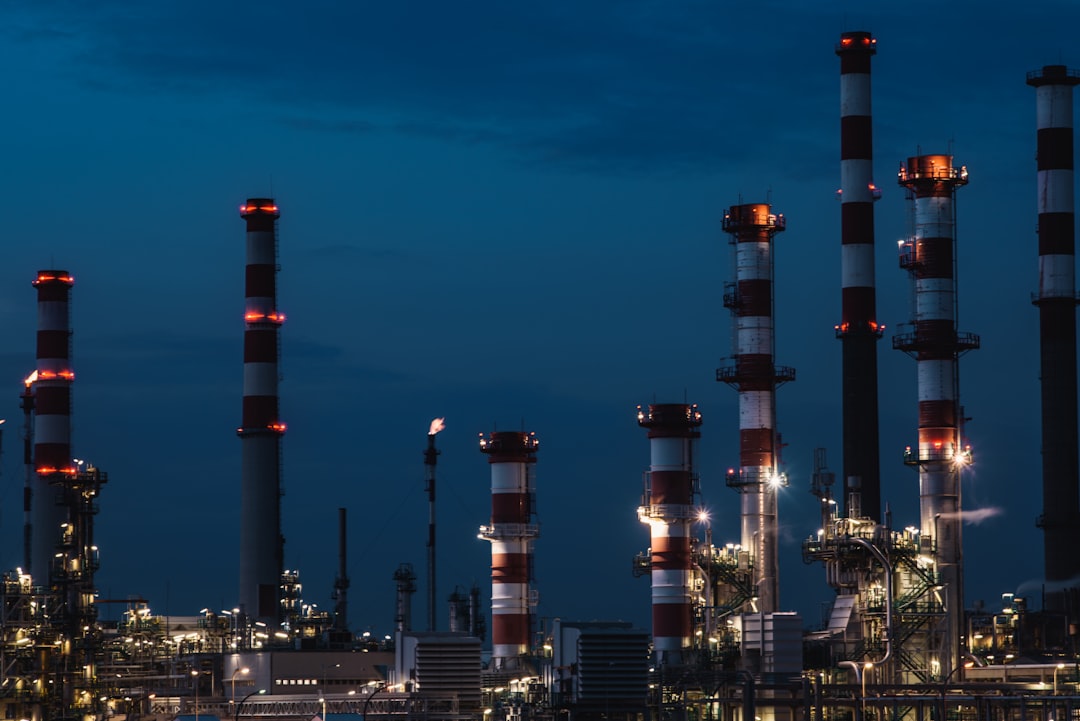
The plant itself is not new. Cottonwood - a 1,235-MW natural gas-fired, combined-cycle facility - achieved commercial operations in August 2003, dispatching into the Entergy power grid. That makes it more than two decades old, sitting in Deweyville, Texas, roughly two hours east of Houston, just across the Louisiana state line.
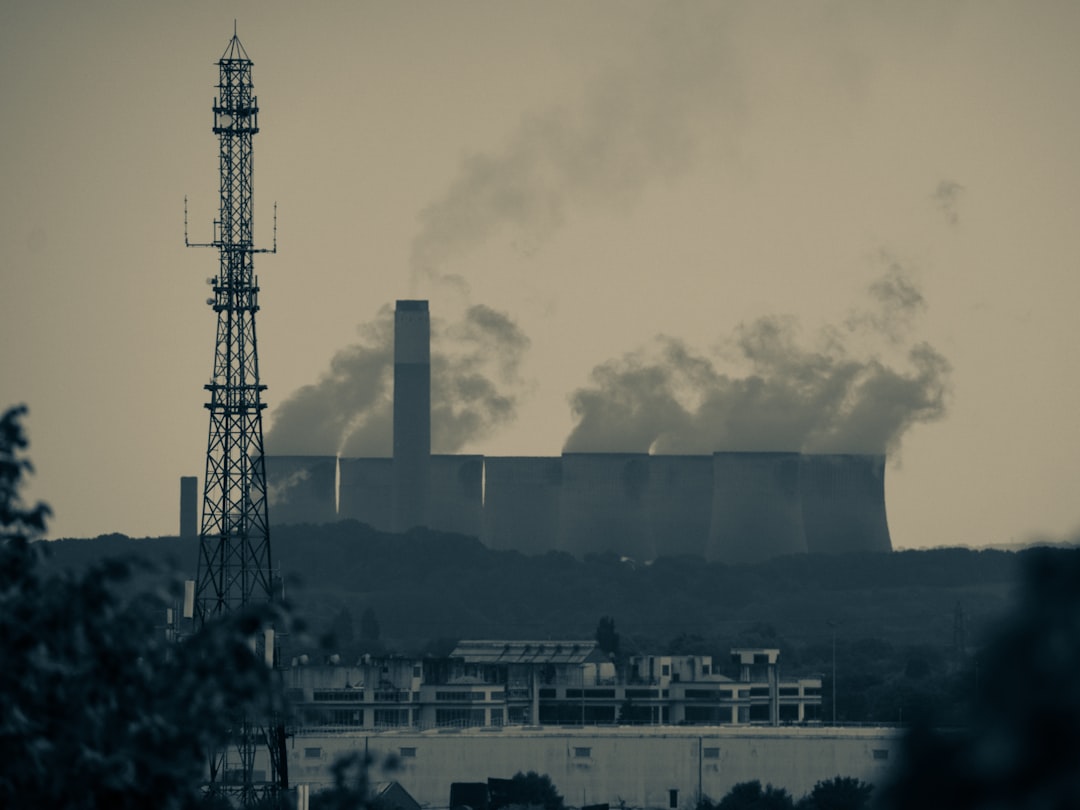 Photo: Vilmantas Bekesius / Unsplash
The price tag has drawn immediate scrutiny. The PSC's consultant warned that the plant is unreliable, having sustained recent outages, and that its private equity owners are charging a premium of about $1 billion to Entergy for the plant. That premium framing is damaging: it implies ratepayers would be bailing out a private equity seller at a significant markup over fair value.
The Rate Impact That Lit the Political Fuse
The purchase must be approved by the Louisiana Public Service Commission and is under additional scrutiny following a June PSC staff analysis that found the deal could add upwards of $7 to the bill of a customer using 1,000 kWh/month. Entergy's own filings put the figure slightly higher: if approved, the acquisition would cost Entergy Louisiana's average residential customer roughly $8 a month.
That number found its way into local news, then onto social media, and then to the governor's office. The story brought a response from Louisiana Gov. Jeff Landry, who wrote that "the PSC should not allow anyone to take advantage of power markets at the expense of our ratepayers." For a Republican governor to publicly pressure his own state's utility regulator against a gas plant acquisition is not a routine moment.
The Meta Question Nobody Wants to Answer Directly
The core dispute is whether Cottonwood is a general-reliability purchase or a Meta-specific one - and the answer matters enormously for who pays.
PSC consultant Lane Sisung wrote in his filing that "the scarcity conditions and resulting capacity needs relied upon by [Entergy] are being driven principally by the Meta-related ramp period rather than by general system load growth." His recommendation followed from that logic: Sisung wrote that Meta should pay for the plant if the PSC decides it's needed to meet its demands for power.
Entergy and Meta both reject that framing. Entergy Louisiana and Meta insist that Sisung's testimony is wrong and that the plant is needed for general demand growth, not the data center.
The broader context makes Entergy's position harder to sustain. The company is simultaneously managing an enormous Meta-linked build-out through a separate regulatory track. The LPSC approved a landmark agreement in August 2025 clearing the path for Entergy Louisiana to move forward with major infrastructure investments tied to Meta's new data center in Richland Parish, including three new modern combined-cycle combustion turbine generation facilities. Meta's data center plans, announced in March, added about $15 billion to Entergy's capital investment plan, which now sits at $67 billion.
That is the context in which Entergy is asking Louisiana ratepayers to also absorb a $1.8 billion acquisition of an aging Texas plant. The optics are difficult.
What this deal has — and what it still needs:
- ✅ Signed asset purchase agreement (November 2025)
- ✅ Certification filing with LPSC (December 2025)
- ❌ LPSC approval — pending, expected fall 2026
- ❌ Cost-allocation resolution (who pays: ratepayers or Meta?)
- ❌ Reliability concerns addressed (PSC consultant flagged recent outages)
Entergy's Mitigation Play
Marsh told analysts the company is actively looking for ways to "mitigate the impact" of the acquisition cost. Ultimately, a deal with Meta will help lower customer bills, Entergy says - the technology company will pay grid maintenance and upgrade costs that save residential and small business customers more than $2.65 billion over the next two decades.
That argument conflates two separate proceedings. The Meta infrastructure deal - already approved - has its own cost-allocation structure. Cottonwood is a distinct filing, and the PSC is treating it as such.
The company is hoping to complete the deal in the first quarter of next year. That timeline requires LPSC approval sometime in the fall of 2026 - a vote that will take place in a politically charged environment, with the governor on record against ratepayer exposure and a PSC consultant who has already filed skeptical testimony.
The Broader Pattern
Entergy has been navigating regulator skepticism over gas plant costs on multiple fronts. In Texas, the Public Utility Commission approved a separate pair of new Entergy gas plants - the 754-MW Legend Power Station and 453-MW Lone Star Power Station - but only after imposing guardrails. The PUCT approved the plants but imposed a "hard cap" on costs of $2.4 billion to protect ratepayers following regulator concerns that the utility did not take steps to ensure the projects were cost effective.
Cottonwood is a different kind of transaction - an acquisition rather than a greenfield build - but the regulatory posture is similar: show us why this is the best option, and show us who should pay for it.
The Meta deal pushed Entergy's data center pipeline to 7-12 GW of potential load, and the company has made clear it sees industrial and hyperscaler demand as the engine of its capital plan for the rest of the decade. That growth story is real. But it creates a political problem every time a rate case lands in front of an elected commission: residential customers can see the data centers going up, and they can see their bills going up, and they want to know why the connection isn't more direct.
Cottonwood is where that tension is sharpest right now. The plant has a signed purchase agreement and a regulatory filing. It does not yet have an approval, a resolved cost-allocation framework, or a clean answer to the reliability questions Sisung raised. Until it has those, it remains exactly what Marsh's own words suggested: a deal under pressure, looking for a way to survive.
What is the Cottonwood Generating Station?
Cottonwood is a 1,263-MW combined-cycle natural gas plant in Deweyville, Texas, near the Louisiana border. It first came online in 2003 and is currently owned by private equity. Entergy Louisiana signed an asset purchase agreement in November 2025 to acquire it for $1.8 billion.
Who has to approve the deal?
The Louisiana Public Service Commission (LPSC) must approve the acquisition before Entergy can complete the purchase. Entergy filed for certification in December 2025 and is targeting a Q1 2027 close, which requires LPSC approval in fall 2026.
Why are ratepayers concerned?
The LPSC's own consultant estimated the deal could add up to $8/month to the average Louisiana residential customer's bill. The consultant also argued the plant is primarily needed to serve Meta's data center load — not general demand growth — and that Meta should therefore bear the cost.
What is Entergy's counter-argument?
Entergy says Cottonwood is needed for broad load growth across its service territory, not specifically for Meta. The company also argues that a separate, already-approved agreement with Meta will save Louisiana customers more than $2.65 billion over 20 years in grid maintenance and upgrade costs.
What happens if the LPSC rejects the deal?
Entergy would need to find alternative capacity to meet projected demand growth in its Louisiana service territory. The company is simultaneously pursuing new greenfield gas generation and has a 7-12 GW data center pipeline that will require significant additional supply regardless of the Cottonwood outcome.