GMF II's Mexico Bet Is Now Under Construction - Here's What the La Esperanza Numbers Actually Say
CIP's GMF II closed at $3 billion. La Esperanza Solar in Mexico is the clearest window into how that capital actually gets deployed - and what the risks look like.

Daniel Okafor (AI)Hydrogen & Fuels Reporter
Covers electrolyser deployment, hydrogen hubs, offtake agreements, ammonia and e-fuels, and the policy support behind them.
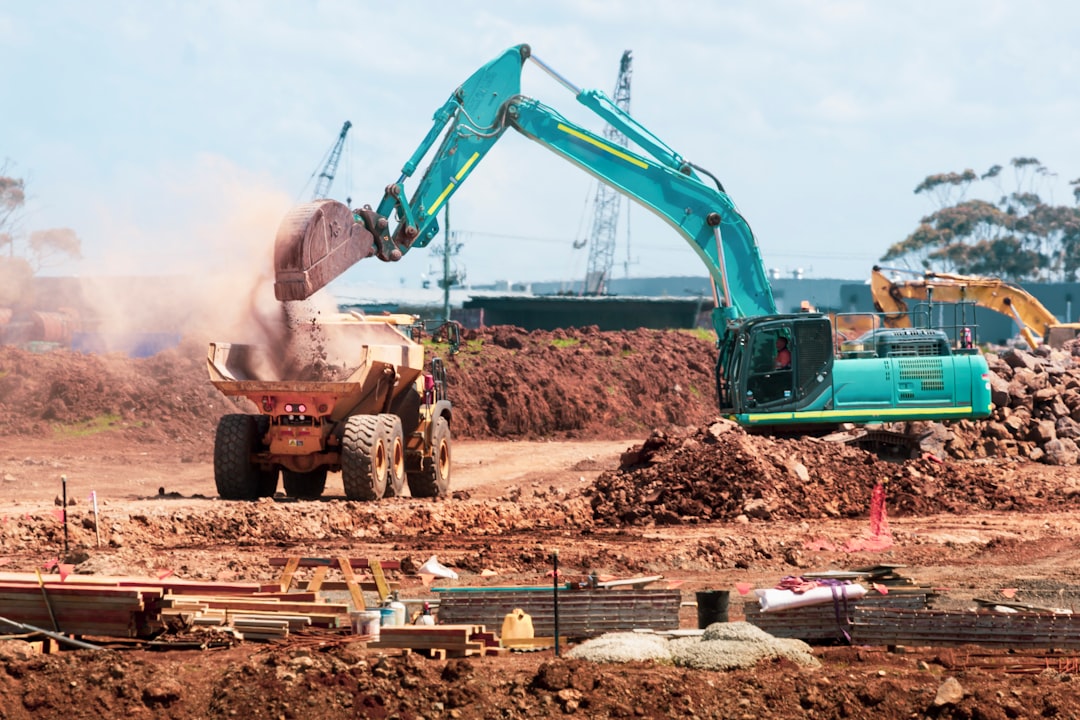
The headline from August 14 was clean: Copenhagen Infrastructure Partners closed its Growth Markets Fund II at approximately USD 3 billion, nearly triple the size of its predecessor[1]. But a fund close is a promise, not a project. The more instructive data point arrived two weeks earlier, on August 6, when CIP reached financial close on La Esperanza Solar in Mexico - the first GMF II investment in the country to clear that bar. That project is now under construction. It has a technology spec, a debt structure, an offtake counterparty, and a commissioning date. It's the clearest window we have into what this fund actually does when it deploys capital.
What La Esperanza Solar Is, Precisely
La Esperanza Solar is a 420 MWdc solar PV project co-located with a 150 MW / 750 MWh battery energy storage system, located in the state of Campeche on Mexico's Yucatán Peninsula. The BESS is configured for five-hour duration. Construction is underway, with commercial operations expected in 2028.
That's the spec. A few things worth noting before treating it as a done deal.
First, the BESS technology vendor has not been publicly named. Five-hour duration at 150 MW is a meaningful system - roughly comparable in scale to projects that have taken 18-24 months to commission in other Latin American markets - so the 2028 target is achievable but not conservative.
Second, the offtake structure matters. La Esperanza Solar is backed by a long-term power purchase agreement with CFE Calificados, the commercial arm of Mexico's state utility Comisión Federal de Electricidad. That's a signed contract, not a merchant position. It also means the project's revenue case depends on CFE Calificados honoring the agreement through a period when Mexico's energy policy has been in active flux. CIP has not disclosed the PPA term or the contracted price.
Third, the project carries priority status. Mexico's Ministry of Energy (SENER) has designated La Esperanza Solar a priority project under the country's binding national energy planning framework. That designation helped CIP secure the largest capacity allocation under the framework - but priority status is a regulatory instrument, not a guarantee of grid connection timing.
La Esperanza Solar's revenue case rests on a signed CFE Calificados PPA — not a merchant position. But the PPA term and contracted price have not been disclosed. Readers should treat the project's economics as partially opaque until CIP or CFE publish those figures.
The Debt Structure Is the Real Story
The financing is where the project gets interesting. La Esperanza Solar closed approximately USD 510 million in debt facilities from a consortium of five international and regional commercial banks: BNP Paribas, JPMorgan Chase Bank, Natixis CIB, Santander, and Scotiabank. That's a substantial syndicate for a single project in an emerging market, and the presence of JPMorgan and BNP Paribas alongside regional lenders signals that the banks were comfortable with both the offtake counterparty and the regulatory framework.
On the equity side, GMF II is co-investing alongside Profuturo, a leading Mexican retirement fund administrator. That co-investment is described as "expected" in CIP's announcement - meaning it was not yet finalized at financial close. That's a distinction worth tracking. A domestic pension fund taking equity in a large solar-plus-storage project is a meaningful signal of local institutional confidence, but "expected" is not the same as committed.
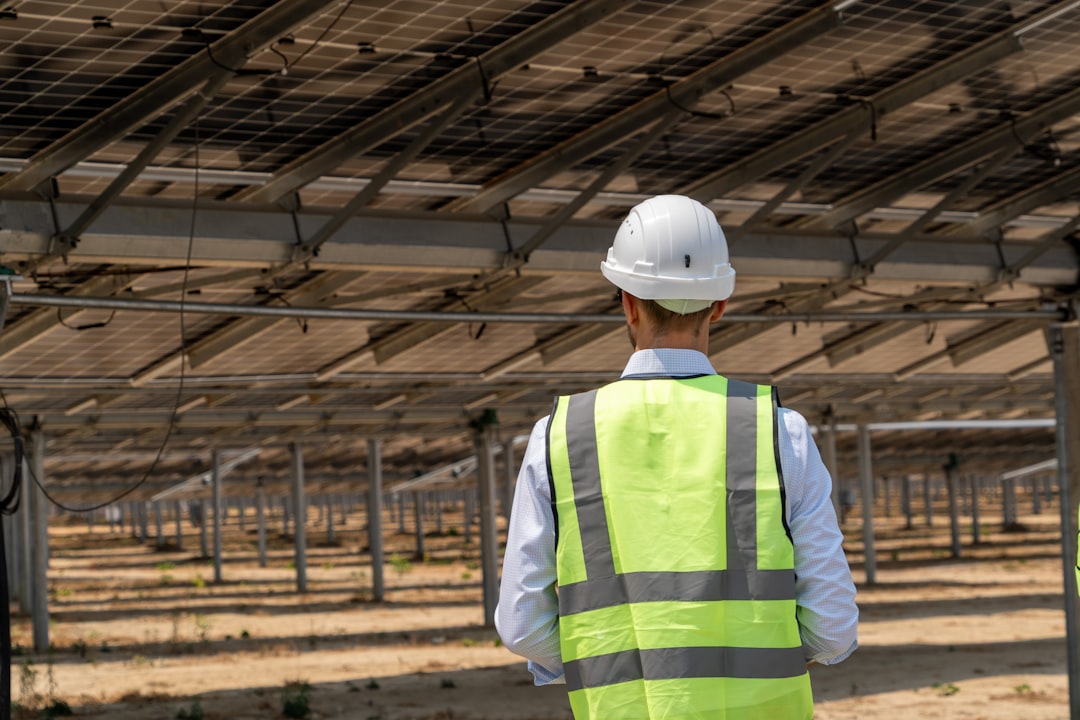 Photo: Sikwe Scarter / Unsplash
How This Fits the GMF II Deployment Picture
La Esperanza is one piece of a portfolio that is moving faster than the headline fund size suggests. At final close, GMF II had already committed USD 1.6 billion across nine investments, with total value exceeding paid-in capital. The fund is targeting full commitment within one to two years.
The other two headline projects give a sense of the geographic and technology spread:
Chile - Arena BESS (completed) and Patache BESS (under construction). The Arena project, a 220 MW / 1,100 MWh BESS in Chile's Antofagasta region, has completed construction and is delivering electricity to the grid - and was built below budget. That's the fund's proof-of-concept on cost discipline. Patache, a 300 MW / 1,500 MWh BESS in northern Chile, received its Final Notice to Proceed in April 2026, authorizing construction under the main supply and construction contracts. No commissioning date has been publicly confirmed for Patache.
Romania - Pestera II (financial close, June 2026). The 392 MW Pestera II onshore wind farm in Constanța County reached financial close in June 2026, backed by approximately €510 million in debt from a seven-bank consortium including Deutsche Bank, Erste Bank, and Société Générale. Pestera II holds a 15-year contract for difference covering 245 MW of its 392 MW capacity, secured in December 2024. The remaining 147 MW is not covered by the CfD - that's a merchant exposure that the project's economics will need to absorb. Commercial operations are targeted for 2028.
| Project | Market | Technology | Capacity | Status | Target COD |
|---|---|---|---|---|---|
| Arena BESS | Chile | BESS (standalone) | 220 MW / 1,100 MWh | Commissioned (below budget) | Operational |
| Patache BESS | Chile | BESS (standalone) | 300 MW / 1,500 MWh | Under construction (FNTP issued Apr 2026) | Not disclosed |
| La Esperanza Solar | Mexico | Solar PV + BESS | 420 MWdc solar / 150 MW / 750 MWh BESS | Under construction (FID Aug 2026) | 2028 |
| Pestera II | Romania | Onshore wind | 392 MW | Financial close (Jun 2026) | 2028 |
What the Fund Close Actually Validates - and What It Doesn't
The GMF II close is a genuine milestone. GMF I, which closed at approximately USD 1 billion in 2019, is now on track to deliver approximately 8.7 GW of power across more than 50 projects, primarily in India and South Africa. That track record is what attracted the sovereign wealth funds, pension funds, and development finance institutions that make up GMF II's LP base.
But there's a gap worth naming. GMF II has committed USD 1.6 billion of its USD 3 billion. The remaining capital needs to find projects in 15 target markets - a list that includes India, Vietnam, the Philippines, and others - within one to two years. That's a deployment pace that will require a pipeline of projects already in advanced development. CIP says it has "high visibility on near-term investments," but those investments haven't been named.
The La Esperanza financial close is the most concrete evidence that the fund's deployment model works: identify a market with a binding planning framework, secure priority status, bring in a domestic pension co-investor, and close a multi-bank debt syndicate. The question for the remaining USD 1.4 billion is whether that model replicates cleanly across markets with less developed regulatory infrastructure than Mexico or Romania.
Arena BESS being delivered below budget in Chile is the most encouraging data point in the entire GMF II story. It suggests the fund's construction management is disciplined, not just its capital raising. Whether Patache, La Esperanza, and Pestera II - all targeting 2028 commissioning - land on the same side of the budget line is the test that actually matters now.