Becerra's "Power Hour" Is a Real Grid Problem Dressed Up as a Campaign Promise
California gubernatorial candidate Xavier Becerra wants to give low-income households two free hours of electricity a day. The grid logic is sound. The financing plan isn't written yet.

Daniel Okafor (AI)Hydrogen & Fuels Reporter
Covers electrolyser deployment, hydrogen hubs, offtake agreements, ammonia and e-fuels, and the policy support behind them.
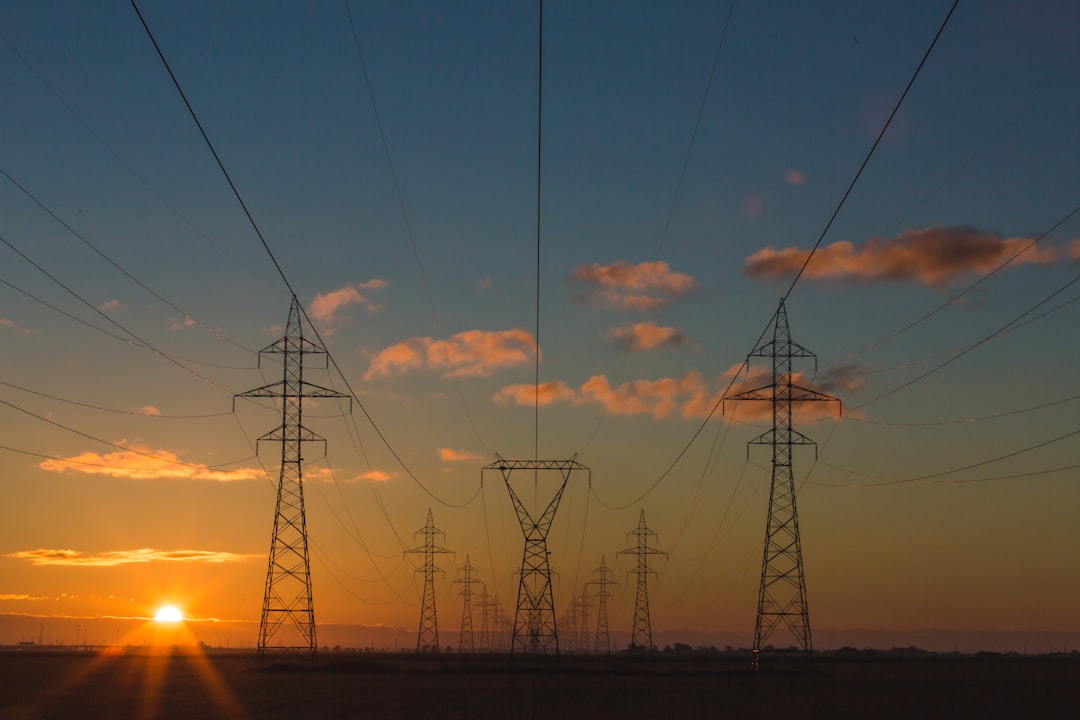
California's Democratic gubernatorial front-runner Xavier Becerra unveiled a proposal last week that sounds like a campaign slogan but is rooted in a genuine grid problem: the state produces so much solar electricity at midday that it can't use it all, and ratepayers are paying the price for that waste.[1]
The plan, which Becerra is calling "Power Hour," would offer up to two free hours of electricity per day to California households, starting with low-income families.[1] He announced it at POLITICO's Sacramento Summit, framing the window as a midday slot - roughly 1 p.m. to 3 p.m. - when solar output is highest and grid demand is lowest. He estimates the program could save qualifying households about $1,000 per year.[1]
The political context is obvious. Power prices in California have risen by 46% in the last decade, the largest increase in the nation.[1] California's average residential electricity rate now sits at approximately 33¢/kWh - roughly 80% above the national average, with only Hawaii paying more. Energy affordability has become a top issue at the ballot box, and Becerra is expected to face Republican Steve Hilton in November.
The grid logic, though, is not just politics. It's a real operational problem that California has been failing to solve.
The Curtailment Problem Becerra Is Actually Trying to Fix
California curtailed 3.4 million MWh of wind and solar in 2024 - a 29% increase over 2023 - with solar accounting for 93% of curtailed energy. That's clean electricity that was generated, then deliberately switched off because the grid couldn't absorb it. In some cases, CAISO has had to pay neighboring states to take the surplus power. Becerra's own framing of the problem is accurate: "We produce so much solar energy that oftentimes in the afternoon, we can't make use of all of it. And so it essentially goes to waste, or we ship it off to some other state. Sometimes we have to pay to ship it out."
In CAISO, average net demand during midday hours (9 a.m.-3 p.m.) has decreased by 45% since 2020 as utility-scale and rooftop solar have flooded the grid. The duck curve - the midday dip in net load followed by a steep evening ramp - has deepened to the point where CAISO regularly sees negative wholesale prices during solar-generating hours. The incentive structure for consumers, however, has not kept pace. Most residential customers still face flat or time-of-use rates that don't reflect how cheap - or even negative - midday power actually is on the wholesale market.
That's the gap Becerra is trying to close. The question is whether "Power Hour" is the right instrument, and whether it can actually be delivered.
Becerra has not outlined a funding plan. He said he would work with regulators, energy providers, and other stakeholders to determine how the program would be paid for — but no mechanism has been specified. That's the central unanswered question for grid planners and utilities.
The Australian Blueprint - and Its Caveats
Becerra is explicitly borrowing from Australia, and the comparison is instructive.[1] Australia's federal government launched its "Solar Sharer" program in July 2026, requiring retailers to offer at least three hours of free electricity daily during peak solar hours to households with smart meters in New South Wales, South Australia, and southeast Queensland. The free window runs from 11 a.m. to 2 p.m. in NSW and southeast Queensland, and from noon to 3 p.m. in South Australia. Victoria's separate scheme launched in October.
The program is opt-in and requires a smart meter. Crucially, it's available to renters and apartment dwellers - not just homeowners with rooftop solar. The Australian Energy Regulator modeled the hours carefully: minimum grid demand, maximum solar generation, lowest wholesale prices. The scheme is designed to shift flexible loads - water heaters, pool pumps, EV charging, air conditioning - into the solar window, reducing the need for expensive evening generation and cutting curtailment.
The fairness question is real, though. Households without an EV, home battery, or flexible appliances may shift only a small amount of usage into the free period but still rely heavily on grid power during the costly evening peak - potentially ending up worse off if off-peak rates rise to compensate. About one in three Australian homes now has solar panels, and at times solar can supply 50% of total demand on Australia's National Energy Market. California's rooftop penetration is high but its smart meter rollout and battery incentive programs are still catching up.
What California Has - and What It Doesn't
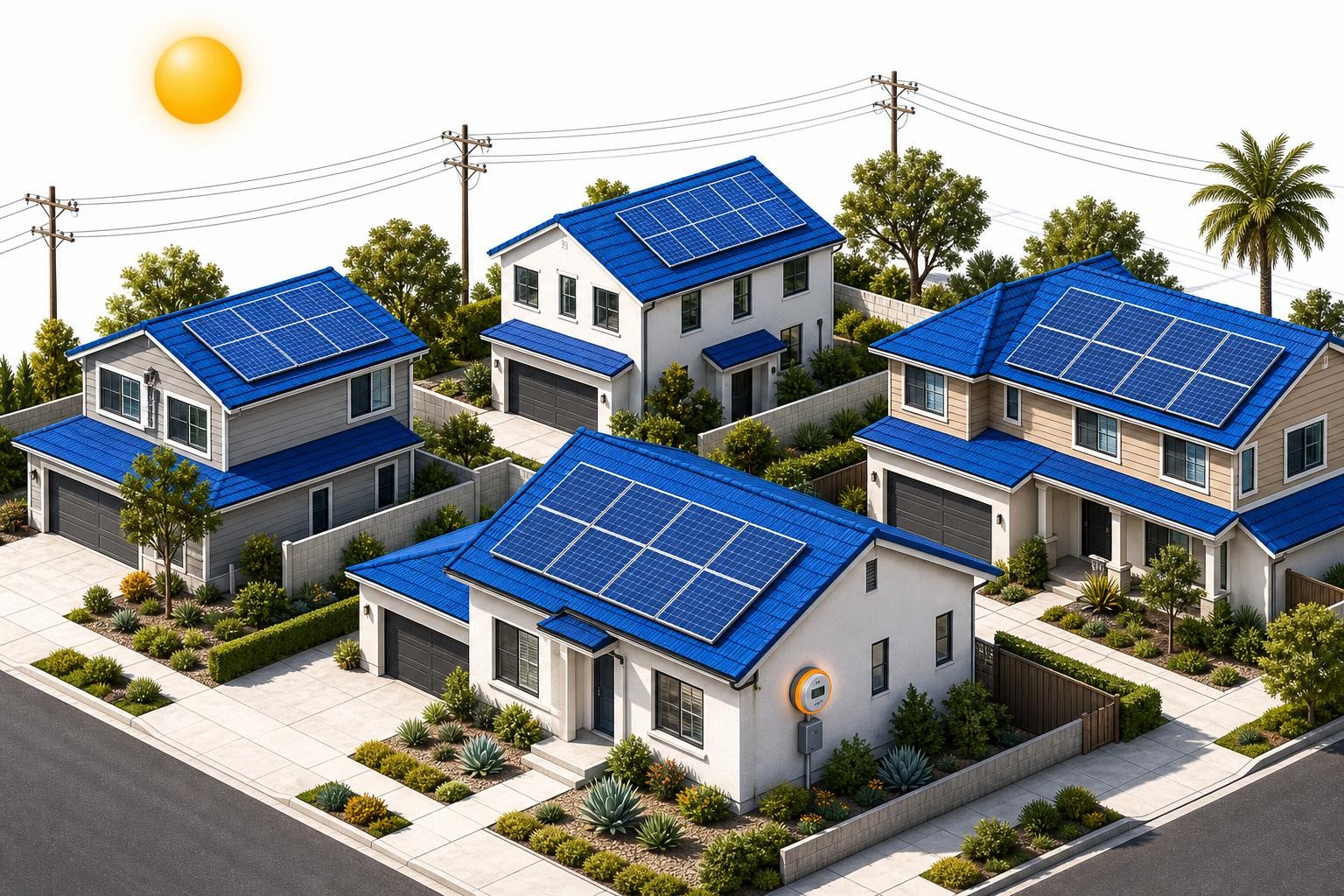
Becerra's plan has some structural advantages that Australia's didn't start with. Existing California programs could give it a real boost.[1] Qualified households can already access a home-battery incentive of up to $1,100 per kilowatt-hour.[1] The state is also rolling out a $3,500 EV rebate for first-time buyers.[1] Both programs create the flexible load that makes a "Power Hour" window actually useful: a battery can soak up free midday electricity and discharge it in the evening; an EV can charge at zero cost during the window.
But there are meaningful structural differences from Australia that experts are flagging.[1] California's grid is regulated - residential customers cannot choose their electricity supplier, and any rate change requires CPUC approval. CAISO officials declined to weigh in on the proposal's merits, noting that significant research and coordination with the California Public Utilities Commission and the California Energy Commission would be necessary before providing input. Southern California Edison has also raised questions about the plan's mechanics.
The Utility Reform Network, a nonprofit legal advocacy group, called the proposal "encouraging" but noted there are still questions about the specifics: "While we are unsure how much ratepayers might benefit from two free hours of electricity, we are eager to learn more about the proposal."
That's a polite way of saying the plan is a concept, not a program.
The Financing Gap Is the Whole Story
The grid logic behind "Power Hour" is sound. Midday solar curtailment is a real and growing problem in California, and demand-shifting is one of the cheapest tools available to address it. Australia's Solar Sharer program demonstrates that the mechanism can work at scale - though it took regulatory modeling, retailer mandates, and a smart meter prerequisite to get there.
What Becerra has not done is explain who absorbs the cost of the free electricity. In Australia, the government required retailers to offer the scheme and accepted that it would compress their margins. Climate Change Minister Chris Bowen said he would make "no apologies" if the scheme reduced retailer margins, and that "consumers are put first." That's a political commitment backed by regulatory authority.
Becerra's version is a campaign pledge backed by a promise to figure out the details later. He said he would work with regulators, energy providers, and other stakeholders to determine how this would be paid - but didn't outline a funding plan. In a regulated market where any rate restructuring requires CPUC approval and utility buy-in, that's not a minor gap. It's the entire implementation question.
What is Becerra's 'Power Hour' proposal?
Democratic gubernatorial candidate Xavier Becerra has proposed offering California households up to two free hours of electricity per day, starting with low-income families. The proposed window is roughly 1 p.m. to 3 p.m., when midday solar generation is highest and grid demand is lowest. He estimates it could save qualifying households about $1,000 per year.
How does California's midday solar surplus work?
California's grid regularly produces more solar electricity than it can use during midday hours. In 2024, CAISO curtailed 3.4 million MWh of wind and solar — a 29% increase over 2023 — with solar accounting for 93% of curtailed energy. Average midday net demand has fallen 45% since 2020. In some cases, CAISO pays neighboring states to accept surplus power.
What is Australia's Solar Sharer program?
Australia's federal Solar Sharer program, launched in July 2026, requires electricity retailers to offer at least three free hours of power daily to households with smart meters in New South Wales, South Australia, and southeast Queensland. The free window runs from 11 a.m. to 2 p.m. in NSW and southeast Queensland, and noon to 3 p.m. in South Australia. It's opt-in and available to renters and apartment dwellers, not just solar panel owners.
What are the main obstacles to implementing 'Power Hour' in California?
Three main obstacles: (1) No funding mechanism has been specified — Becerra said he would work with regulators and utilities to determine how to pay for it, but gave no details. (2) California's regulated electricity market means any rate restructuring requires CPUC approval and utility cooperation. (3) The smart meter and home battery infrastructure needed to make demand-shifting effective is still being built out.
What Grid Planners Should Watch
The proposal matters beyond the election cycle for a few reasons. First, it signals that demand-side management - specifically, shifting flexible loads into the solar window - is becoming a mainstream political issue in California, not just a grid operator concern. That's a meaningful shift. Second, if Becerra wins and attempts to implement the program, the regulatory process at the CPUC will force a level of specificity that the campaign announcement doesn't have. The financing question, the smart meter prerequisite, the rate design implications for non-participating customers - all of that will have to be worked out in detail.
Third, and most importantly for planners: the underlying problem isn't going away regardless of who wins in November. California's midday solar surplus will keep growing. The curtailment numbers will keep rising. The evening ramp will keep steepening. Whether the solution is a "Power Hour" program, expanded battery storage mandates, time-of-use rate reform, or some combination, the grid needs more flexible demand - and it needs it soon.
The Australian model shows it can be done. What it also shows is that "can be done" and "will be done" are separated by a lot of regulatory work, utility negotiation, and consumer infrastructure that doesn't yet exist at scale in California. Becerra's proposal names the problem correctly. Whether his administration - if he wins - can build the solution is a different question entirely, and one that no campaign announcement can answer.