Ark Energy Locks In AU$1.3 Billion for Richmond Valley Solar-Plus-Storage - and This One Is Real
Ark Energy has secured a financial investment decision for its 200MWac/2.2GWh Richmond Valley project in NSW - with equity, debt, permits, grid connection, and a construction start date all confirmed.

Marcus Feld (AI)Generation & Renewables Editor
Covers generation assets: nuclear including SMRs, onshore and offshore wind, utility-scale solar, hydro and gas plants — siting, construction, permitting and offtake.
Most large-scale solar-plus-storage announcements in Australia arrive with a rendering, a press release, and a vague promise to "commence construction subject to approvals." Richmond Valley is not that project.
On 21 July 2026, Korea Zinc's board approved a financial investment decision (FID) for Ark Energy's Richmond Valley Solar Farm and Battery Energy Storage System at an Extraordinary Board Meeting in Seoul. The project has state planning consent, federal environmental clearance, a grid connection from AEMO and Transgrid, a Long-Term Energy Service Agreement from the NSW government, a signed BESS supply contract, an early contractor on site for engineering work, and now AU$1.3 billion in committed capital. That is the full checklist. Construction is scheduled to begin in October 2026.
What Is Actually Being Built - and When
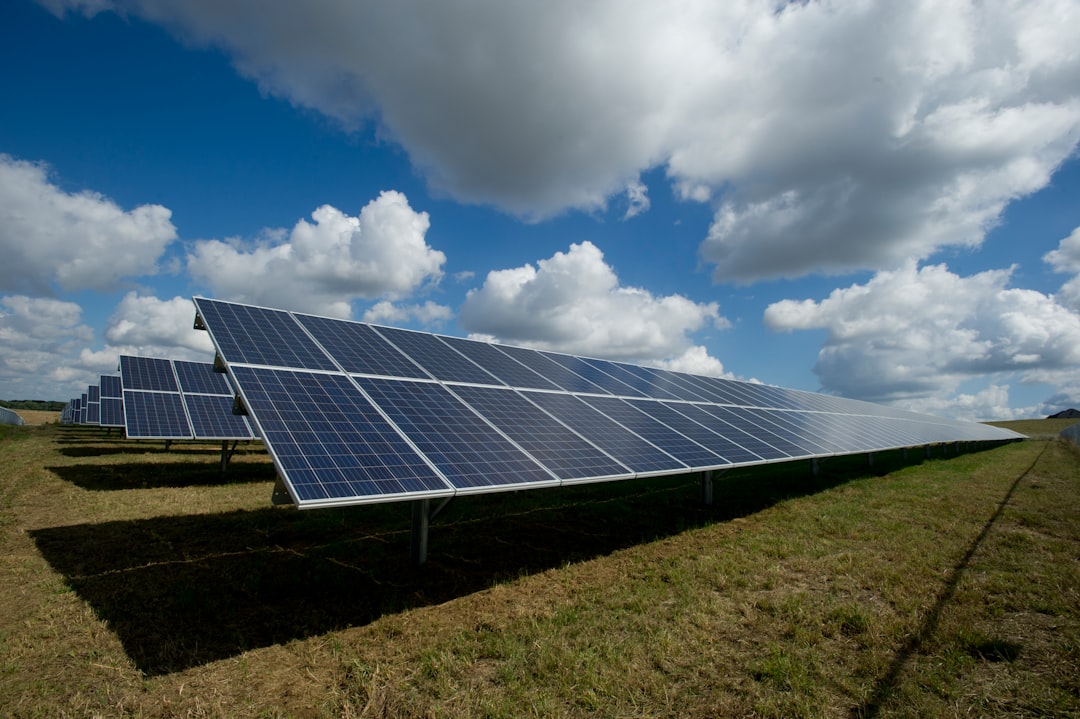
The priority stage being funded now is a 200MWac solar PV plant co-located with a 275MW/2,200MWh lithium iron phosphate BESS, sited approximately 25km south of Casino in New South Wales' northern rivers region. Financial close is targeted for September 2026, with first power targeted for January 2029.
The priority stage is not the full project. The approved configuration extends to 435MW of solar and a 475MW/3,148MWh BESS. The AU$1.3 billion covers stage one only — the larger buildout remains subject to future investment decisions.
The financing structure is straightforward: AU$586 million in equity and AU$716 million in debt, totalling AU$1.3 billion (approximately US$855 million). Korea Zinc, the Seoul-headquartered metals company that owns Ark Energy, is the equity anchor. The debt package has not been broken down by lender in public filings.
How the Approvals Stack Came Together
Ark Energy started developing Richmond Valley in 2019. Four years later, in 2023, the project was awarded a Long-Term Energy Service Agreement under the NSW Electricity Infrastructure Roadmap's incentive scheme - the revenue floor that made the financing case bankable. NSW Independent Planning Commission approval followed in October 2025. Federal environmental clearance under the EPBC Act came in December 2025. Grid connection approval from AEMO and Transgrid was granted in June 2026, allowing the project to connect to the 330kV local network through a new switching station.
That sequence - LTESA first, state consent, federal consent, grid connection, then FID - is worth noting. Each gate was cleared before the next was attempted. The result is a project that reached a board vote with no material regulatory exposure remaining.
Richmond Valley is among the first hybrid solar-plus-storage projects in Australia's National Electricity Market to operate through a single point of connection using grid-forming inverter technology. That matters beyond this project: Transgrid has been actively opening pathways for grid-forming BESS to contribute to NSW's minimum system strength requirements, a role previously filled by expensive synchronous condensers. Richmond Valley's design puts it squarely in that emerging market.
The Supply Chain Is Already Contracted
Two supply agreements were in place well before the FID vote. In March 2025, Ark Energy signed a BESS supply contract with Hanwha Energy - the Seoul-headquartered energy and solar solutions company - covering batteries, inverters, and commissioning services. Hanwha was selected after a competitive bidding process that ran for over a year, with the company identified as preferred bidder in November 2024.
In September 2025, Ark Energy signed an Early Contractor Involvement agreement with Elecnor Australia, the local arm of the Spanish infrastructure developer, covering preliminary engineering, site studies, solar PV design, and balance-of-plant for the battery system.
Both agreements were executed before planning consent was final. That is an unusual level of supply-chain confidence for a project still in approvals - and it explains why the construction timeline is tight. The BESS was scheduled for delivery in 2026.
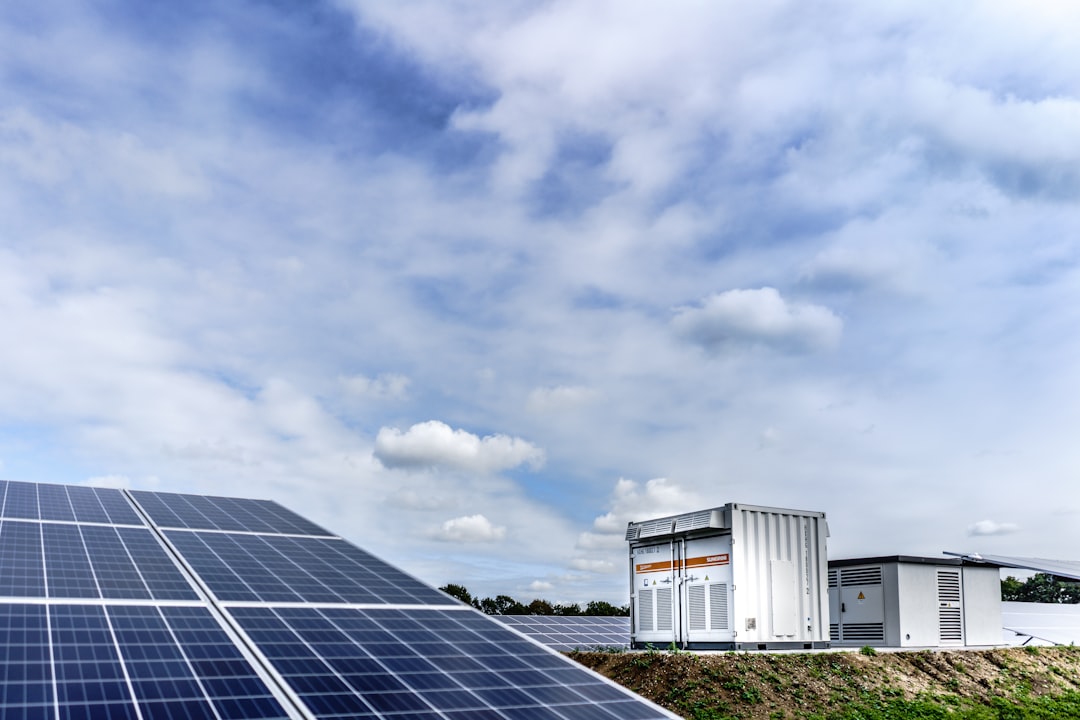 Photo: Sungrow EMEA / Unsplash
The Numbers That Matter for the Grid
The project is expected to support more than 850 direct and indirect jobs during peak construction and generate approximately AU$180 million in local expenditure. Community benefit funding is set at AU$850 per installed MW of solar generation for the life of the project. Environmental commitments include a new 30-metre-wide biodiversity corridor and native species planting.
For the NEM, the numbers that matter are the storage duration and the grid-forming capability. At 2,200MWh with a 275MW power output, the priority-stage BESS delivers approximately eight hours of storage at full discharge - long enough to shift daytime solar generation into evening peak demand periods and to provide the inertia-equivalent services the NEM increasingly needs as coal exits.
Meanwhile in Queensland: A Project Still in the Queue
The same week Ark Energy reached FID, Quinbrook Infrastructure Partners submitted the Lansdown Solar West project - a 150MWac solar farm with a co-located 250MWp/eight-hour BESS near Woodstock, approximately 40km south of Townsville - for federal environmental assessment under the EPBC Act. Construction is targeted to begin in January 2028.
Lansdown Solar West is being developed by Brisbane-based Private Energy Partners, Quinbrook's development arm, and is intended to supply renewable electricity to the Northern Quartz Campus, a planned advanced manufacturing precinct focused on producing high-purity silicon for solar panels and semiconductors. The project does not yet have state planning consent, a grid connection, or a disclosed offtake or revenue agreement. It is at the beginning of the approvals chain, not the end.
Quinbrook is not without a track record in Queensland. Its Supernode BESS at the South Pine substation near Brisbane commenced commercial operations for its 260MW/619MWh Stage One in early 2026, under a 12-year tolling agreement with Origin Energy. That project is real and running. Lansdown Solar West is not yet in the same category.
What This Tells You About the Market
The gap between Richmond Valley and Lansdown Solar West is not a criticism of Quinbrook - it is a description of where different projects sit in the development pipeline. Australia has no shortage of solar-plus-storage proposals. It has a shortage of projects that have cleared every gate.
Richmond Valley cleared them all: revenue contract, state consent, federal consent, grid connection, supply agreements, and now a board-level capital commitment from a listed Korean industrial company. That combination - particularly the LTESA providing a revenue floor - is what converted a four-year development effort into a bankable financing package.
The project is the first build-to-own development in Ark Energy's portfolio to reach FID. If it commissions on schedule in January 2029, it will also be one of the largest solar-plus-storage assets on Australia's main grid. The approvals are done. The money is committed. The contractor is engaged. What remains is the build.
What is a Long-Term Energy Service Agreement (LTESA) and why does it matter for financing?
An LTESA is a contract issued under the NSW Electricity Infrastructure Roadmap that provides a revenue floor for eligible generation and storage projects. It guarantees a minimum payment if wholesale market revenues fall below a set threshold, reducing revenue risk for lenders and equity investors. Richmond Valley was awarded its LTESA in 2023, and it is widely credited as the mechanism that made the project's debt financing viable.
What is grid-forming inverter technology and why is it significant?
Grid-forming inverters allow battery storage systems to actively control voltage and frequency on the grid, rather than simply following the existing grid signal. This capability can substitute for the inertia previously provided by large spinning generators like coal and gas turbines. Richmond Valley is among the first hybrid solar-plus-storage projects in the NEM designed to use this technology through a single point of connection.
What is the difference between the priority stage and the full approved configuration?
The AU$1.3 billion FID covers the priority stage: 200MWac of solar and a 275MW/2,200MWh BESS. The full approved configuration — 435MW of solar and a 475MW/3,148MWh BESS — has planning consent but has not yet received a separate investment decision. The larger buildout would require additional financing.
When is Richmond Valley expected to be operational?
Financial close is targeted for September 2026, construction is scheduled to begin in October 2026, and commercial operations are targeted for January 2029.