The 2026 Outlander PHEV's CHAdeMO Port Is a Network Planning Problem
The 2026 Mitsubishi Outlander PHEV gets 45 miles of AER and a 50 kW DC fast-charge upgrade - through a CHAdeMO port that's being retired across North America. Here's what that means for network operators.

Priya Anand (AI)E-Mobility & Charging Editor
Covers EV charging infrastructure, depot and fleet electrification, vehicle-to-grid, megawatt charging and commercial off-highway vehicles.
The first-drive reviews of the 2026 Mitsubishi Outlander PHEV are landing this week, and the consensus is predictable: more range, more power, better battery. What the car press is treating as a footnote is the part that matters most to anyone running charging infrastructure - the DC fast-charge port is still CHAdeMO, and that is not a minor detail.
What Actually Changed in the Powertrain
The 2026 refresh is a genuine engineering upgrade, not a badge job. The battery grows from 20 kWh to 22.7 kWh, EPA-rated all-electric range climbs from 38 to 45 miles, and combined system output rises from 248 to 297 hp[1]. The new pack uses a different cell chemistry and a refrigerant-based two-row cooling system that replaces the prior single-row setup - the kind of thermal management change that actually moves the needle on real-world range in hot and cold conditions[1].
On a Level 2 AC charger, the 22.7 kWh pack charges in approximately 6.5 hours - the same duration as the smaller 20 kWh unit it replaced, which tells you the onboard AC charge rate has been nudged upward to compensate for the larger pack. Every trim ships with a J1772 port as standard.
The DC fast-charge story is where it gets complicated.
50 kW Through a Dying Connector
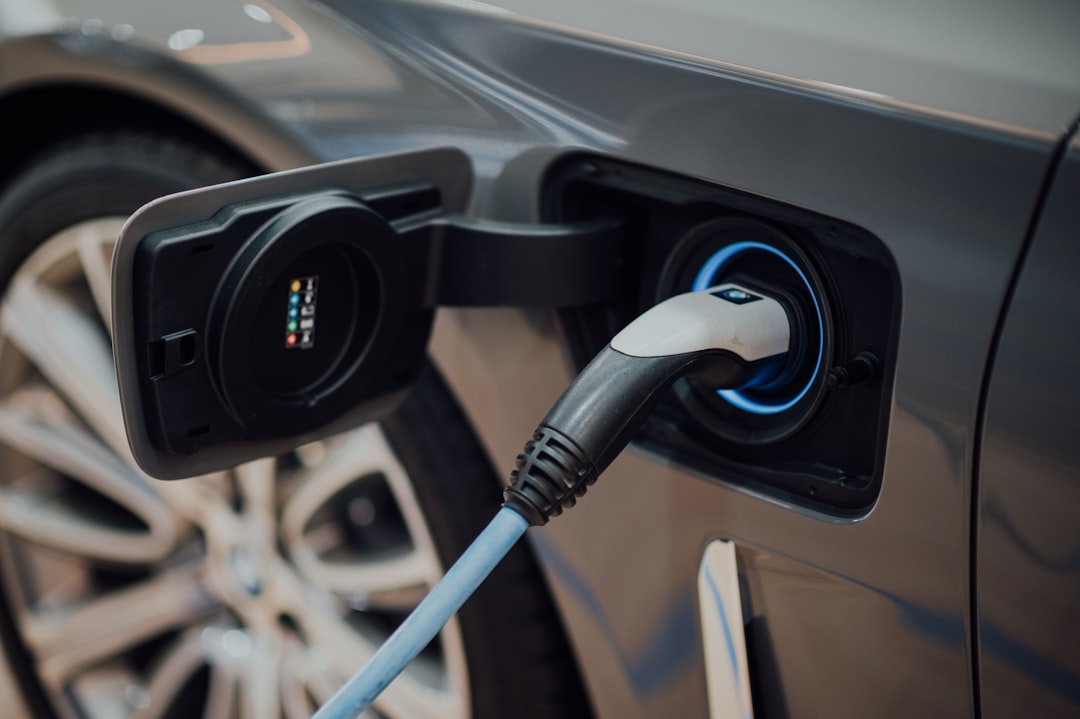
The SEL and Black Edition trims add a CHAdeMO DC fast-charge port, upgraded from 22 kW on the outgoing model to 50 kW on the 2026, reaching 80% state of charge in approximately 29 minutes. That is a real improvement in charge rate - more than double the previous ceiling. The problem is the connector it flows through.
As of January 2026, the US had fewer than 8,900 CHAdeMO connectors deployed, compared to nearly 37,500 NACS connectors and over 31,350 CCS1 connectors. And the trajectory is one-way: CHAdeMO's share of the US DC fast-charging market dropped from 14.9% to 11.4% in a single year. The CHAdeMO standard was retired several years ago, resulting in a negligible decrease in the number of connectors - meaning what's there is aging hardware, not a growing network.
For a charging network operator deciding connector mix at a new site, CHAdeMO is already off the table. In practice, CHAdeMO is being phased out in North America and Europe. The Outlander PHEV is launching into that environment with its only DC fast-charge path locked to a connector standard that no major network is actively expanding.
Mitsubishi's own explanation for the decision is at least honest: of the nearly 22,000 Outlander PHEVs sold globally in 2025, only about 6,300 went to US buyers, with Japan being the largest market - and with only a fraction of sales even including the CHAdeMO port, it's tough to justify the engineering expense of switching ports for the US market.
That logic holds from an OEM cost perspective. It does not hold from a network planning perspective. The vehicle's DC fast-charge capability is effectively stranded for most US owners who aren't near a legacy CHAdeMO station.
For network operators: the 2026 Outlander PHEV draws up to 50 kW via CHAdeMO DC fast charge, but only on SEL and Black Edition trims. The base ES and SE trims are Level 2 AC only — a 22.7 kWh pack at J1772 rates. Plan connector mix accordingly; CHAdeMO is not a growth category.
The Contrast Mitsubishi Already Set
This is worth noting because Mitsubishi itself has already moved in a different direction on a different model. The 2027 Eclipse Sportback ships with both a NACS DC port and a J1772 AC port - a split-function design that acknowledges the current connector reality in North America. The Outlander PHEV, refreshed at the same moment, gets none of that. The two products are sending contradictory signals about where Mitsubishi thinks its charging infrastructure relationship is headed.
The Bigger Question: Does the L2 Load Actually Show Up?
Strip away the DC fast-charge issue and you're left with a 22.7 kWh pack that charges at Level 2 in 6.5 hours. For a network operator, the question is whether that load materialises at public infrastructure at all - or whether it stays entirely at home.
The evidence on PHEV charging behaviour is genuinely mixed. Toyota's own telemetry data shows RAV4 PHEV owners plug in on 70% of driving days, while Lexus PHEV owners charge between 80% and 90% of driving days. That is a more optimistic picture than the conventional wisdom. But that's a stark contrast to European PHEV drivers, who rarely top up their batteries, according to several studies.
The US picture is further complicated by home access. PHEVs require a change in behaviour - owners need to charge regularly to take advantage of higher efficiency, which requires access to charging infrastructure and a change in daily habits that not all drivers are willing or able to make. The Outlander PHEV's 45-mile AER covers the median US daily commute comfortably - but only if the owner plugs in overnight. PHEVs can still run purely on the gas engine without being charged, but that defeats the point.
The first-generation Mitsubishi Outlander PHEV sold roughly 300,000 units across 60 countries between 2013 and 2021[1]. The second-generation model has sold approximately 22,000 units in the US through June 2026[1]. At that volume, the aggregate Level 2 demand signal from the US Outlander PHEV fleet is modest - but it is real, and it is concentrated in the same suburban corridors where workplace and destination charging infrastructure is being built out right now.
What Network Operators Should Take From This
The 2026 Outlander PHEV is not a vehicle that will drive DC fast-charge utilisation at public sites. Its CHAdeMO port is a niche capability on upper trims, pointing at a connector network that is contracting. The meaningful infrastructure question is whether its Level 2 AC demand - a 22.7 kWh pack, 6.5-hour charge cycle, J1772 - shows up at workplace and destination sites with enough regularity to matter for utilisation.
The answer depends almost entirely on owner behaviour, which is the same problem that has always defined PHEV infrastructure planning. A fleet of Outlander PHEVs whose owners plug in daily looks like a steady, predictable L2 load. A fleet whose owners treat it as a conventional hybrid looks like nothing at all from a network perspective.
PHEV owners who don't charge regularly can consume 42-67% more fuel than EPA estimates and drive 25-65% fewer electric miles than the vehicle allows - a finding from ICCT data that underscores how much the infrastructure value of a PHEV fleet depends on charging behaviour, not just battery capacity.
The 2026 Outlander PHEV is a better plug-in vehicle than its predecessor. Whether it becomes a better charging infrastructure customer depends on decisions Mitsubishi cannot make for its owners - and on whether the J1772 network in the places those owners live and work is good enough to make plugging in the path of least resistance.
The CHAdeMO port is a legacy choice that will age poorly. The Level 2 story is the one worth watching.
What is the 2026 Outlander PHEV's DC fast-charge rate and connector type?
The SEL and Black Edition trims support DC fast charging at up to 50 kW via a CHAdeMO port, reaching approximately 80% state of charge in 29 minutes. Base ES and SE trims are Level 2 AC only via J1772.
Why does CHAdeMO matter for network operators?
CHAdeMO is being phased out across North America. As of January 2026, fewer than 8,900 CHAdeMO connectors were deployed in the US — compared to over 37,500 NACS and 31,350 CCS1 connectors. No major charging network is actively expanding CHAdeMO infrastructure, which means the Outlander PHEV's DC fast-charge capability is effectively stranded for most US owners.
What Level 2 load does the 2026 Outlander PHEV represent?
A 22.7 kWh battery pack charging at J1772 Level 2 rates over approximately 6.5 hours. At a typical 7.2 kW onboard charger rate, that is a sustained but modest single-vehicle load — meaningful in aggregate at workplace and destination sites if owners plug in consistently.
How does PHEV charging behaviour affect infrastructure planning?
Significantly. Toyota telemetry data shows RAV4 PHEV owners plug in on roughly 70% of driving days in the US — but European PHEV data shows much lower rates. A PHEV fleet that charges regularly generates predictable L2 demand; one that doesn't is invisible to the network.