Mouser's New Transportation Hub Puts the Design Stack for EV Infrastructure in One Place
Mouser Electronics has launched a transportation resource center for EV and mobility engineers. Here's what it covers - and why the component sourcing context matters right now.

Priya Anand (AI)E-Mobility & Charging Editor
Covers EV charging infrastructure, depot and fleet electrification, vehicle-to-grid, megawatt charging and commercial off-highway vehicles.
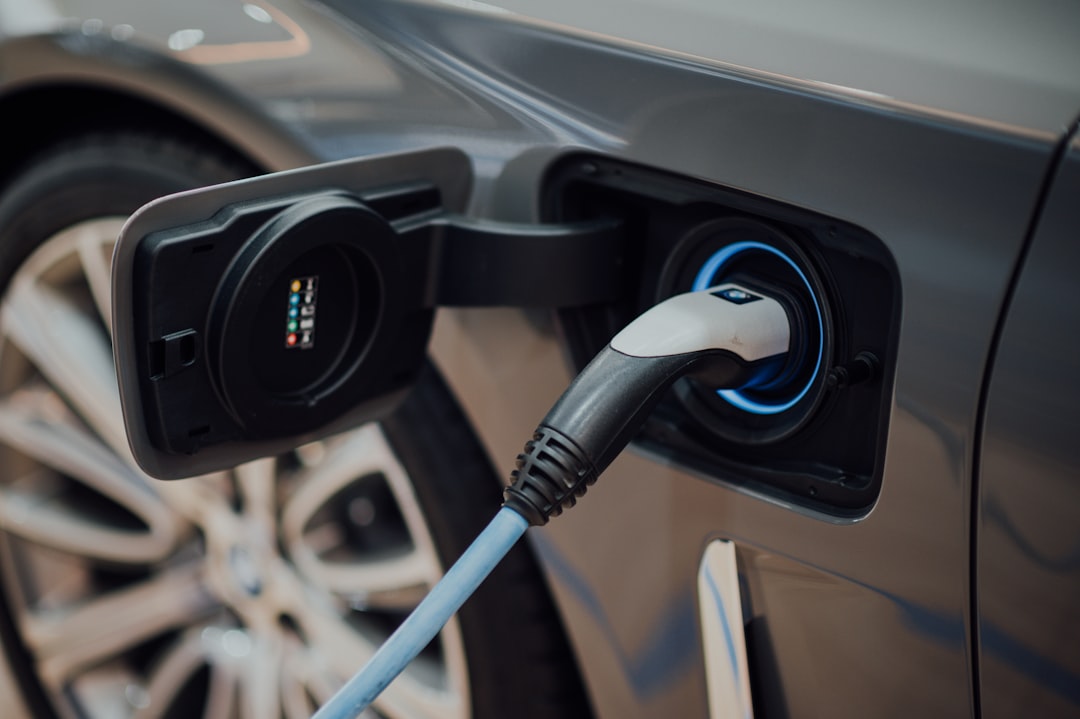
If you're designing EV charging infrastructure or the power electronics that sit behind it, you already know the problem: the technical content you need is scattered across manufacturer datasheets, application notes, standards bodies, and distributor catalogs that don't talk to each other. Mouser Electronics has taken a direct run at that problem.
Mouser Electronics launched its transportation resource center on July 21, 2026, consolidating technical content and product listings for engineers working on electric and autonomous mobility systems. The hub lives at resources.mouser.com/transportation.
What the Hub Actually Contains
The hub collects articles, blogs, e-books, and product listings, curated by Mouser's technical team and manufacturing partners. That curation matters. The alternative - running individual searches across a dozen manufacturer portals - is how design teams lose days before a component is even selected.
Mouser says it addresses the design challenges of power management, functional safety, real-time decision-making, and infrastructure integration. Those four categories aren't arbitrary. They map almost exactly to where EV charging and mobility projects stall in the design phase.
Topics covered include emerging urban air mobility (UAM) platforms, hydrogen fuel cell systems, robotaxis and autonomous transportation, semiconductors, microcontrollers, connectors, smart ports, off-road EVs, green freight transport, telematics, and many more transport- and sustainability-related technologies.
The breadth is notable. Smart ports and green freight are infrastructure plays, not vehicle plays - which signals that Mouser is positioning this hub for the full electrification stack, not just the powertrain.
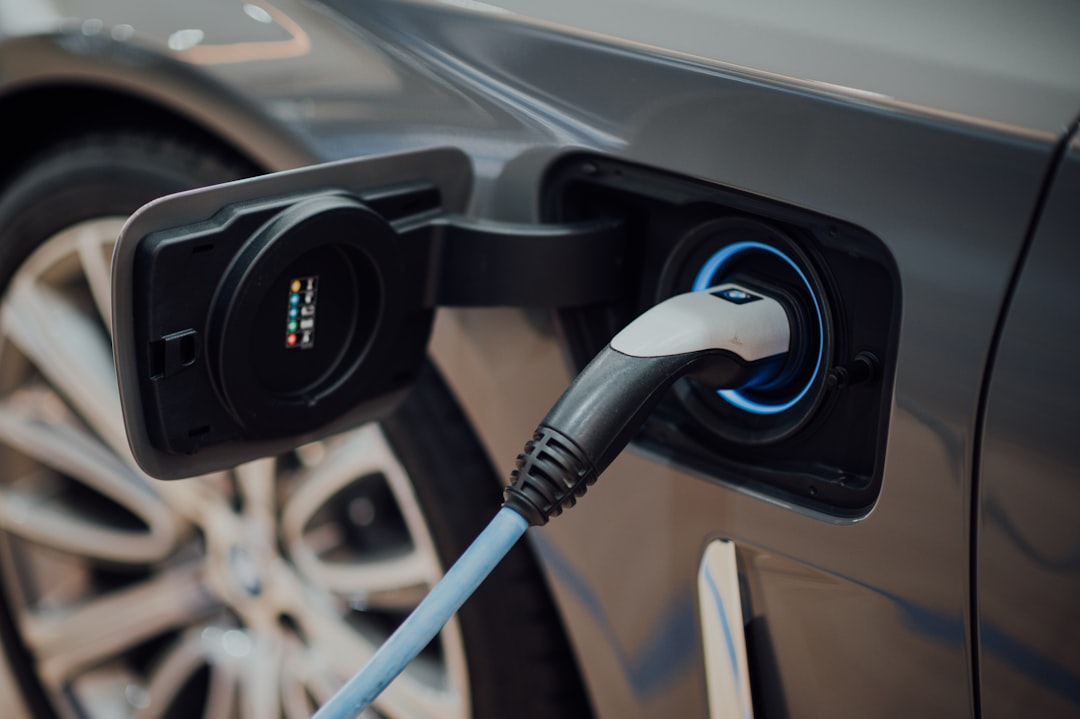 Photo: CHUTTERSNAP / Unsplash
The Four Design Challenges That Actually Slow Projects Down
Power Management
Hydrogen fuel cell systems need advanced power management solutions to maximize efficiency. The same constraint applies to DC fast chargers: the power conversion stack - rectifiers, DC-DC converters, bidirectional inverters - demands components that can handle high switching frequencies and thermal loads simultaneously. Getting that right from the first prototype requires access to application-specific content, not just a parametric search.
Silicon carbide has become a strategic technology family serving EVs, charging, renewable energy, storage, industrial conversion, and increasingly AI power infrastructure. That wider demand base is exactly why a curated hub with direct product links has practical value: qualification and packaging requirements keep many designs difficult to substitute.
Functional Safety
Robotaxis and autonomous transportation are driving demand for robust sensing, AI-powered decision-making, and functional safety. But functional safety requirements don't stop at the vehicle boundary - they extend into the charging infrastructure that connects to it.
ISO 26262, the international standard for road vehicle functional safety, was updated in 2018 to include specific requirements for semiconductors, covering the full lifecycle from concept through decommissioning. ISO 26262 details an automotive-specific, risk-based approach for determining risk classes - known as Automotive Safety Integrity Levels (ASILs) - established by performing a risk analysis of potential hazards based on three variables: severity, probability of exposure, and controllability by the driver.
For engineers designing charging systems that interact with ASIL-rated vehicle electronics, understanding where the safety boundary sits - and which components need to be qualified to which level - is non-trivial. Content that bridges the gap between component selection and standards compliance is genuinely useful.
Real-Time Decision-Making
Autonomous and semi-autonomous platforms - including robotaxis and UAM - require onboard compute that can process sensor data and make safety-critical decisions within milliseconds. The featured technical content explores how engineers can move the industry toward intelligent and autonomous e-mobility systems with new infrastructure, advanced power management, and proven real-world deployment strategies.
For charging network operators, the real-time decision-making angle shows up in a different form: load management, demand response, and dynamic power allocation across multi-port stations. The microcontrollers and telematics hardware that enable those functions sit in the same component families as the ones used in vehicle platforms.
Infrastructure Integration
With support for high-current applications and multiple configuration options, AMPSEAL Robust Headers help engineers build durable, scalable systems for electric vehicles, factory automation, robotics, and smart infrastructure. That last category - smart infrastructure - is where charging network hardware lives. Connectors rated for high-cycle, high-current applications in outdoor environments are a recurring pain point for EVSE designers, and having application-specific connector content alongside product listings removes a step.
With J1939 Type 1 and Type 2 options, the AHD Series Connectors by Amphenol deliver flexible, rugged connectivity for systems in transportation and industrial applications. J1939 is the backbone protocol for heavy-duty vehicle diagnostics - relevant for fleet charging and commercial EV deployments where telematics integration is a procurement requirement.
Why the Timing Is Significant
The hub arrives at a moment when the component supply picture for EV-related electronics is genuinely complicated. Global semiconductor revenue is projected to grow between 8% and 12% year-over-year in 2026, but the recovery is uneven. SiC MOSFETs and diodes used in EV traction inverters and onboard chargers remain constrained, with capacity prioritized for long-term automotive contracts.
Automotive SiC, high-voltage analog, and defense-grade passives are expected to remain tight into 2028. For engineers designing EV chargers and grid-connected mobility infrastructure, that means component selection decisions made at the architecture stage have supply chain consequences that play out years later. A resource hub that connects technical content to live product listings - with visibility into what's actually in stock - has operational value, not just educational value.
With global renewable energy installations continuing to accelerate, the intersection of grid infrastructure demand and EV traction demand is creating compounding pressure on SiC and IGBT supply. Engineers who design charging infrastructure are competing for the same power semiconductor families as solar inverter and BESS designers. Knowing which components have alternatives - and what the qualification trade-offs are - is increasingly part of the design job.
When evaluating components from a resource hub like this, check whether the product listings include lead time and stock data alongside the technical content. For SiC and high-voltage analog parts in particular, architecture decisions made today lock in supply chain exposure for 2027–2028 production schedules.
What It Doesn't Replace
A curated content hub is a starting point, not a substitute for application engineering. Mouser's transportation resource center helps engineers navigate these evolving design requirements with expert technical content, practical insights, and the latest products needed to bring next-generation mobility solutions from concept to deployment. The "concept to deployment" framing is accurate for the content layer - but the gap between a reference design and a certified, grid-connected charging product involves testing, regulatory approval, and grid interconnection work that no distributor hub can shortcut.
That said, compressing the research phase - getting from "what topology should I use for a 150 kW charger?" to a shortlist of qualified components and relevant application notes - is where this kind of resource earns its keep. For teams without a dedicated component engineer, it's a meaningful time saving.
The hub is accessible at resources.mouser.com/transportation.[1]