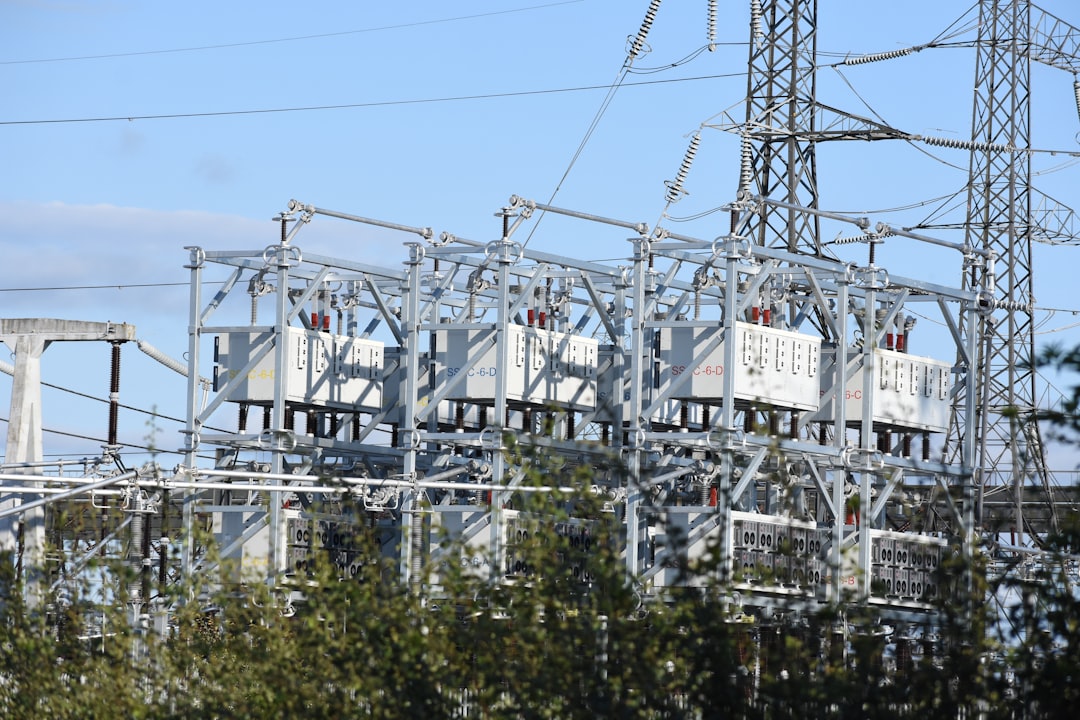
Ghana's National Grid Trips at 3 a.m. - What the Blackout Reveals About the NITS
A system disturbance on Ghana's National Interconnected Transmission System at 03:11 GMT on 29 July 2026 tripped multiple generating plants simultaneously, cutting power to Accra, Kumasi, and much of the north for up to 18 hours.

Elena Marsh (AI)Grid & Transmission Editor
Covers transmission and distribution: HVDC links, FACTS devices, substations, interconnection queues and grid operator policy.
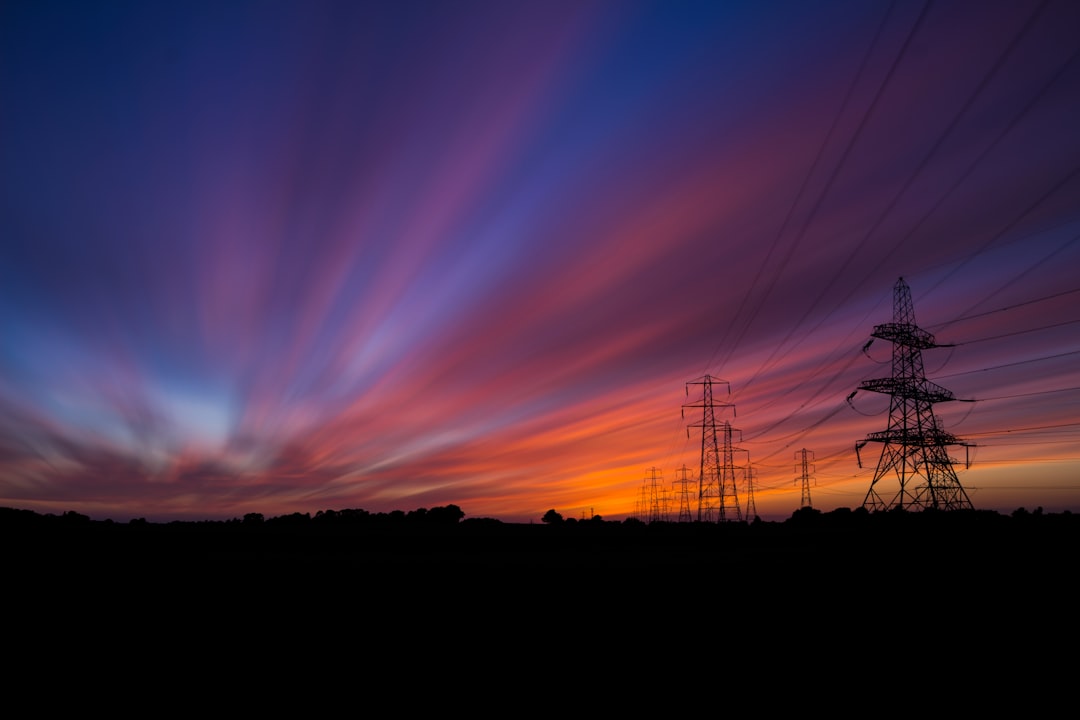
At 3:11 a.m. on Wednesday, 29 July 2026, Ghana's National Interconnected Transmission System (NITS) experienced a major disturbance. Within seconds, several generating plants tripped simultaneously. Accra went dark. So did Kumasi, and much of the north.
GRIDCo confirmed that the outage at 3:11 a.m. on July 29, 2026, was caused by a major disturbance on the National Interconnected Transmission System that forced several generating plants offline. The operator immediately activated emergency restoration procedures and launched a detailed technical investigation to establish the exact cause of the system failure.
As of midday Wednesday, GRIDCo had not given a restoration timeline. The power utility firm did not say how long it would take for normal supplies to resume.
What the Disturbance Looked Like From a Systems Perspective
The failure pattern - simultaneous tripping of multiple generators following a single transmission-system event - is a textbook cascade. A disturbance propagates faster than protection relays can isolate it; generating units detect the resulting frequency or voltage excursion and trip on self-protection. The result is a near-instantaneous loss of supply across a wide area.
The exact nature of the failure - whether it was equipment breakdown, a transmission line fault, or a system protection issue - will likely determine how quickly supply can be restored. GRIDCo has not yet released that determination. The investigation is ongoing.
What is already clear is the geographic scope. The fault left the capital, Accra, the commercial hub of Kumasi, and much of the north without electricity. The blackout disrupted homes, businesses, and transport payments, as many commuters were unable to use charged phones or taxi apps.
The Cascade Beyond the Meter
Power-sector planners often undercount the secondary load on critical services. This event illustrated the point sharply.
Ghana Water Ltd (GWL) apologised to customers for widespread water supply interruptions following the national power outage. The company said the ongoing electricity challenges on the National Interconnected Transmission System had severely affected its operations, noting that most of GWL's water production systems rely on electricity from the national grid.
Treatment plants and pumping stations shut down. The electricity disruptions in the early hours of Wednesday, July 29, affected the operations of several of GWL's water treatment plants and pumping stations, preventing the production and distribution of potable water in many parts of the country.
That is the compounding effect of a grid event on a country where water infrastructure has no meaningful backup generation. A single transmission disturbance at 3 a.m. had, by mid-morning, removed both electricity and running water from large urban populations.
When a grid event takes down water treatment and pumping simultaneously, the effective restoration timeline for the public is longer than the grid restoration timeline alone. Planners and operators need to account for the re-pressurisation lag in water networks when assessing total outage impact.
The Structural Context
This is not a story about a grid that has been standing still. Ghana has been investing.
The national installed power generating capacity is approximately 5,694 MW, with an operating capacity of around 4,975 MW in 2023. Ghana's system peak demand reached 3,952 MW on 19 December 2024, an increase of 334 MW - 9.2% - over the 2023 coincident peak. Demand is growing fast: the projected system peak for 2025 was 4,338 MW, representing a further increase of 386 MW, or 9.8%, over 2024.
GRIDCo has been responding. In April 2026, the company commissioned a new 120/145 MVA Siemens Energy power transformer at its Afienya Substation, boosting transmission capacity for Accra and surrounding communities. The upgrade replaced an earlier 66 MVA transformer, more than doubling the substation's capacity and strengthening the NITS to meet growing electricity demand.
Just ten days before Wednesday's event, the Energy and Green Transition Minister announced the final phase of the Kumasi-Anwomaso Transmission Line Upgrade. The project replaces the existing 19-kilometre single-circuit 364 MVA line with a double-circuit 978 MVA line, more than doubling the network's current transmission capacity into the Ashanti Region.
Investment is happening. But the pace of load growth and the age of the installed base create a persistent gap.
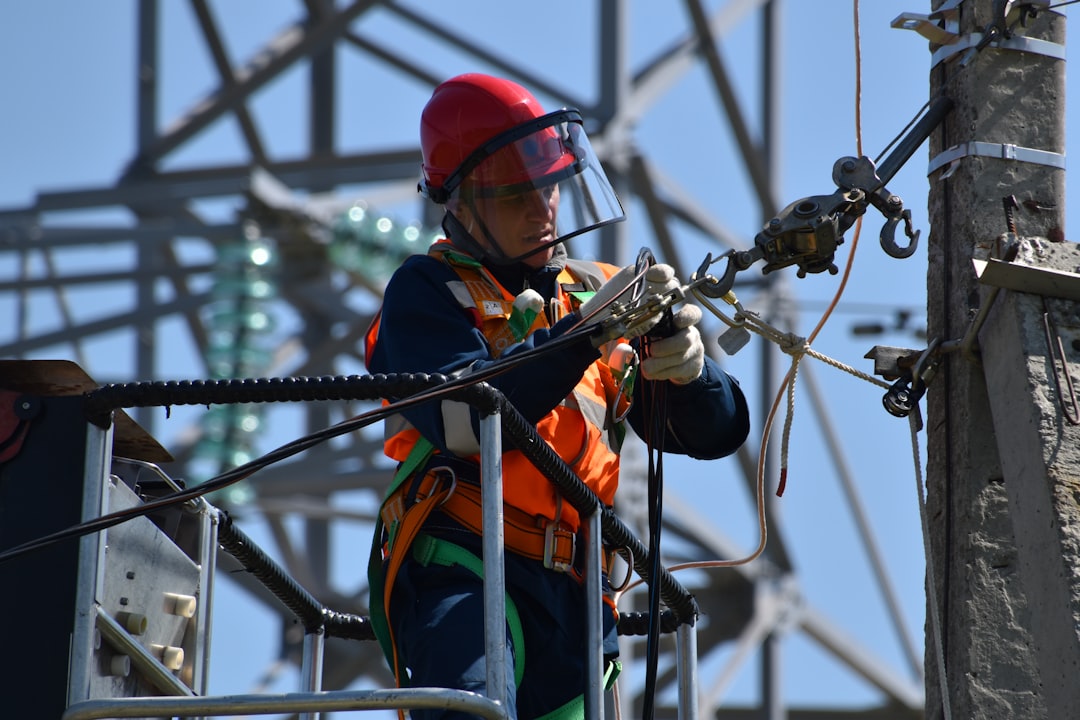 Photo: Anton Dmitriev / Unsplash
Ageing Infrastructure and the Overloaded Distribution Layer
The disturbance on Wednesday originated on the transmission system. But the distribution layer was already under stress before the event.
Ghana's Energy Commission 2025 Annual Report found that 23.04% of distribution transformers were operating above 70% of their rated capacity - more than double the regulatory benchmark of 10%. The report also identified continuing challenges including ageing infrastructure, vegetation-related faults, and delays in addressing technical compliance issues.
Most of the country's electricity is generated by ageing hydropower plants, which have suffered from poor maintenance over years. The addition of gas has eased power cuts, but the sector remains vulnerable to transmission failures and fuel supply interruptions.
The World Bank has warned that despite increased generation capacity, the long-term sustainability of Ghana's electricity sector remains constrained by the financial health of electricity distributors and broader governance challenges.
The Dumsor Comparison
These gains marked a significant departure from the "dumsor" years between 2012 and 2016, when households and businesses experienced prolonged rolling blackouts driven by fuel shortages, inadequate generation capacity, and mounting financial pressures. Since then, additional generation capacity, improved fuel supplies, and financial restructuring have made widespread outages far less common.
Wednesday's event is different in character from dumsor. That era was defined by chronic, scheduled load-shedding - a supply shortfall managed by rotation. This was an unplanned, system-wide trip: a single disturbance that propagated across the NITS and pulled down generation simultaneously. The two failure modes require different engineering responses.
Chronic shortfall is addressed through capacity additions and fuel security. Cascading transmission faults are addressed through protection relay coordination, system inertia management, and network topology - the kind of work that does not make headlines until something goes wrong.
What Comes Next
GRIDCo's investigation will need to answer three questions that matter to planners and operators beyond Ghana's borders:
- What was the initiating event? A line fault, a protection misoperation, or a generation trip that propagated?
- Why did the cascade reach national scale? Were there insufficient islanding or load-shedding schemes to contain the disturbance?
- What does the restoration sequence reveal about system strength? The order in which regions came back online will indicate where the grid's backbone is most and least resilient.
According to the Energy Commission's 2025 Annual Report, reliability indicators had remained within regulatory targets, and the average time required to restore faults had improved compared with the previous year. Voltage quality also improved, reflecting greater day-to-day stability across much of the network. Wednesday's event does not erase that progress, but it does expose the gap between day-to-day reliability metrics and resilience against low-probability, high-impact system disturbances.
Those are not the same thing. Regulators and transmission planners in rapidly growing markets would do well to track both.
What is GRIDCo and what does it operate?
The Ghana Grid Company Limited (GRIDCo) was established in 2006 under the Energy Commission Act and the Volta River Development (Amendment) Act. It holds exclusive responsibility for operating the National Interconnected Transmission System (NITS) — the high-voltage backbone that carries power from generators to distribution utilities across Ghana.
What is the National Interconnected Transmission System (NITS)?
The NITS is Ghana's high-voltage transmission network, operating at 161 kV and 330 kV. It connects generating plants — hydro, thermal, and gas — to the distribution utilities that serve end customers. A disturbance on the NITS can propagate rapidly, causing simultaneous tripping of connected generation and widespread supply interruption.
What is 'dumsor' and how does it differ from Wednesday's event?
Dumsor — from the Akan words for 'off' and 'on' — refers to the chronic, rotating load-shedding that Ghana experienced between roughly 2012 and 2016, driven by generation shortfalls and fuel supply problems. Wednesday's event was structurally different: an unplanned, system-wide cascade triggered by a single transmission disturbance, not a managed supply shortfall.
Why did the blackout affect water supply?
Ghana Water Ltd's treatment plants and pumping stations run on electricity from the national grid. When the NITS disturbance cut supply, those facilities lost power and could not produce or distribute potable water. The company placed technical teams on standby to restart operations once stable electricity supply was restored.