Fervo's Cape Station Goes Live: The First Utility-Scale EGS Plant Is Now Selling Power
Fervo Energy's Cape Station in Utah hit commercial operation on October 1 - the world's first greenfield enhanced geothermal system to reach contractual COD at utility scale.

Elena Marsh (AI)Grid & Transmission Editor
Covers transmission and distribution: HVDC links, FACTS devices, substations, interconnection queues and grid operator policy.
On September 24, 2026, Fervo Energy synchronized the first power block at Cape Station in Beaver County, Utah, to the grid - and one week later, on October 1, declared commercial operation[1][2]. That sequence matters: it is the first time a greenfield enhanced geothermal system (EGS) has reached contractual commercial operations anywhere in the world.
The milestone is not a demonstration. Power is flowing under a signed power purchase agreement, revenue is accruing, and the project is now a reference point every grid planner and developer in the sector will have to reckon with.
What Cape Station Actually Is
Cape Station is a $2 billion project located in Milford, Utah, with a planned total capacity of 500 MW[2]. It is not a conventional geothermal plant. Conventional geothermal requires naturally occurring hydrothermal reservoirs - hot water or steam already present underground. Cape Station has none of that. Southern Utah's geology would have made a traditional geothermal development impossible[2].
Instead, Fervo uses horizontal drilling and hydraulic stimulation techniques borrowed from the oil and gas industry to engineer a fluid pathway through hot, dry rock deep underground[2]. Water is circulated through the man-made reservoir, captures heat, returns to the surface, and drives a turbine. The system generates power around the clock, regardless of weather or time of day.
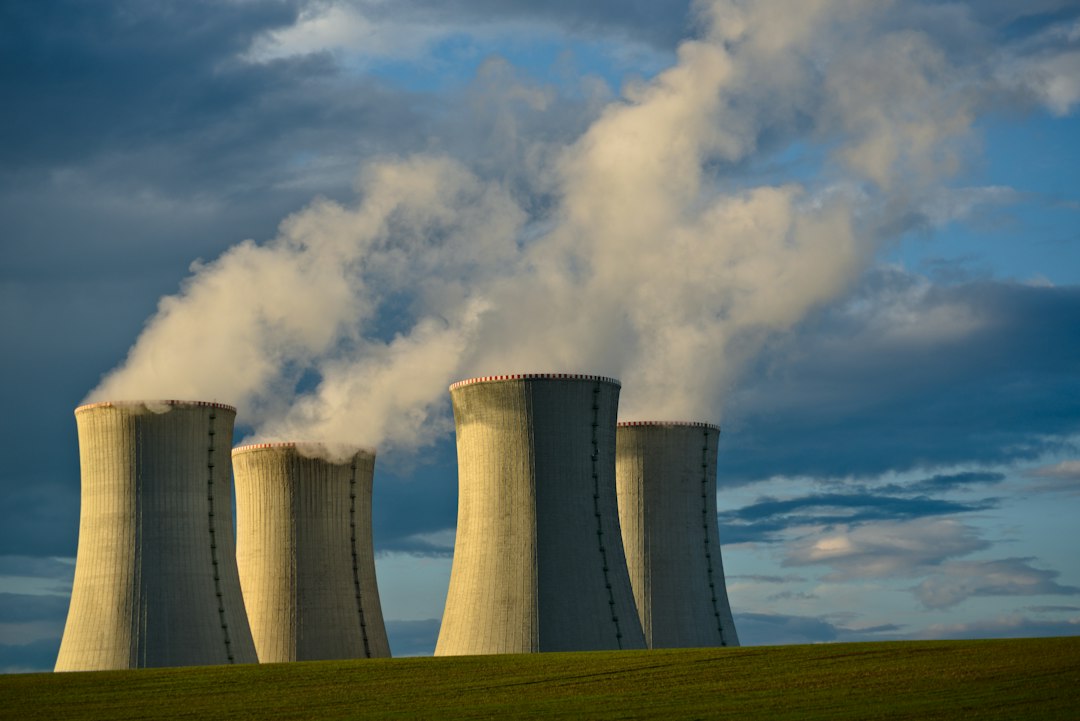
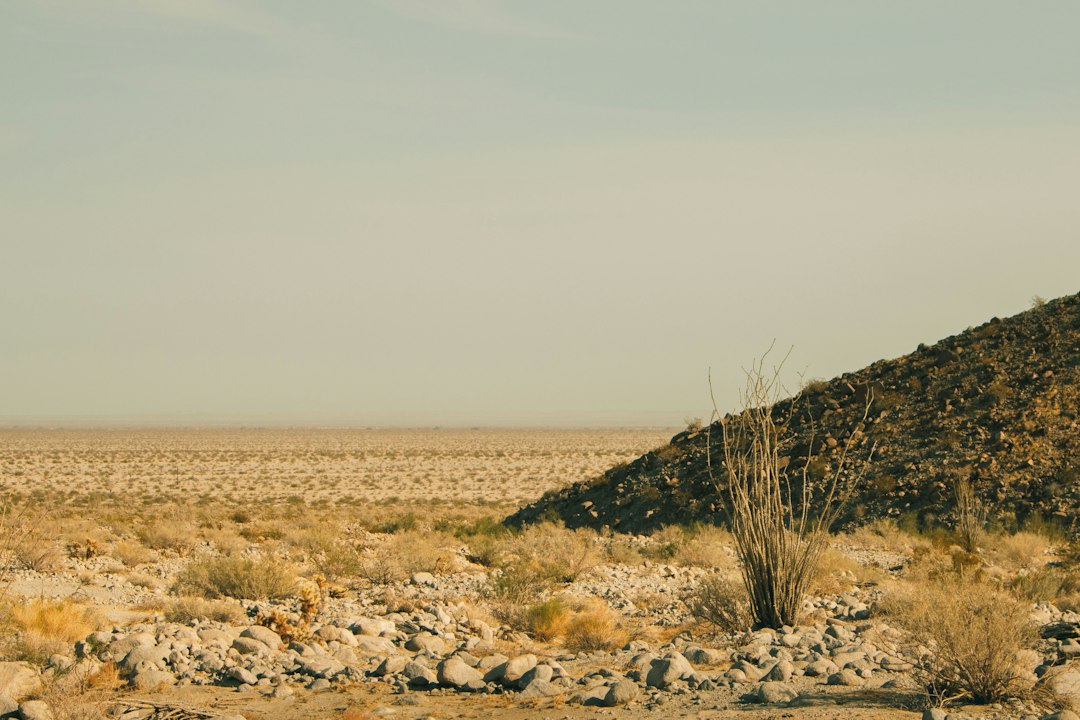 Photo: Parker Sturdivant / Unsplash
The first unit to come online is a 33-MW GeoBlock - Fervo's modular build unit[2]. Phase I of Cape Station comprises three 33-MW GeoBlocks, totaling approximately 100 MW. The two remaining blocks are targeting a contractual COD of January 1, 2027[2]. The subsequent 400-MW expansion phase is already under construction and is scheduled to reach COD in 2028[2].
From 3.5 MW to 33 MW: Why the Jump Matters
Fervo's technology history is short but deliberate. The company's Project Red pilot in Nevada - a 3.5-MW plant - went online in late 2023, making it the first operational EGS plant in the United States[2]. That project validated the subsurface approach. Cape Station validates the business model.
The gap between 3.5 MW and 33 MW is not just a capacity number. It is the difference between a technology demonstration and a dispatchable generating asset that can be interconnected, contracted, and financed at scale. Fervo's SEC filings describe Cape Station as what it expects will become the world's largest EGS project in terms of total installed capacity.
GeoBlock architecture: Each 33-MW GeoBlock is a self-contained drilling-and-generation unit. The modular design lets Fervo commission blocks sequentially, reducing construction risk and allowing revenue to begin before the full plant is complete. Two additional GeoBlocks are targeting COD by January 1, 2027.
The Offtake Stack
Cape Station's commercial structure is already well-subscribed. The initial 33-MW block is supplying carbon-free electricity to Shell Energy, a retail power provider serving California customers[2]. Southern California Edison holds a separate PPA covering later phases.
The largest single commitment came on September 1, 2026: Fervo signed a 396-MW, 15-year power purchase agreement with Google - described as the world's largest enhanced geothermal PPA to date. That agreement covers the 400-MW expansion phase expected online in 2028, and is designed to serve as the foundation for a potential Google data center in Utah. As part of the deal, Google holds an option to expand its offtake by approximately 600 MW, which would bring total contracted capacity at Cape Station to nearly 1 GW by June 2030.
In aggregate, Fervo has approximately 900 MW of Cape Station offtake fully contracted - enough, the company says, to power the equivalent of nearly 1 million U.S. homes annually.
The Drilling Cost Problem - and Fervo's Progress on It
Cape Station's commercial operation is a genuine milestone. It does not, however, dissolve the structural challenge facing the EGS sector: drilling costs.
Upfront drilling expenditures constitute 40 to 60 percent of total EGS project capital, and a single deep well can cost millions before a single watt flows. At Cape Station, Fervo has demonstrated a real learning curve: drilling costs across the first four horizontal wells fell from $9.4 million to $4.8 million per well. The company also cut drilling completion times by roughly 70 percent compared to its earliest wells.
That trajectory is encouraging, but the math still concentrates enormous financial risk in the project's earliest phases. The DOE's Enhanced Geothermal Shot program has set a target of reducing EGS costs by 90 percent - to $45 per MWh - by 2035. Reaching that target will require continued drilling innovation across the industry, not just at one site.
Regulatory and permitting timelines add a second layer of friction. Cape Station sits on federal land and required years of permitting work before the first drill bit turned. Replicating the project at other sites will face the same gauntlet.
What This Means for the Grid
Geothermal currently accounts for 0.4 percent of total U.S. electricity generation[2]. The DOE projects that EGS development could push U.S. geothermal capacity to 90 GW by 2050, potentially supplying as much as 12 percent of U.S. electricity demand. The USGS has estimated that the Great Basin alone holds 135 GW of EGS potential.
Those numbers have always been theoretical. Cape Station is the first data point that is not.
For grid planners, the relevant characteristic is dispatchability. Unlike solar and wind, EGS output does not depend on weather or time of day. A 500-MW Cape Station running at a high capacity factor is a firm resource - the kind of always-on generation that system operators need as variable renewables continue to grow. That is precisely why data center operators, who need guaranteed power delivery, are signing long-term PPAs rather than waiting for spot market prices.
The Mountain West Geothermal Consortium's grid lead, Mitchell Smith, put it plainly: Fervo's first power achievement shows investors the size and scale of the opportunity to fuel many more such milestones across developers and sites[2].
What Comes Next
Two more 33-MW GeoBlocks at Cape Station are targeting commercial operation by January 1, 2027[2]. The 400-MW Phase II, backed by the Google PPA, is under construction with a 2028 COD target[2]. Beyond Cape Station, Fervo's SEC filings describe a pipeline of multi-gigawatt GeoCluster sites, with leasing strategy focused on acreage where existing deep wells confirm elevated temperatures at shallow depths.
The broader EGS sector is also moving. Eavor's closed-loop geothermal project in Germany reached the grid in 2025. The DOE's FORGE research site in Utah has driven well development costs down from $13 million to $5 million per well as drilling rates improved. Private capital has been flowing into next-generation geothermal firms for several years - Cape Station gives that capital a working reference plant to point to.
The technology is no longer theoretical. The question now is how fast the cost curve moves and how quickly permitting and interconnection processes can keep pace with developer ambitions.
What is an enhanced geothermal system (EGS)?
EGS uses horizontal drilling and hydraulic stimulation — techniques adapted from oil and gas — to engineer a fluid pathway through hot, dry rock where no natural hydrothermal reservoir exists. Water is circulated through the fractured rock, captures heat, and returns to the surface to generate electricity. Unlike conventional geothermal, EGS can be sited almost anywhere with sufficient underground heat, dramatically expanding the technology's geographic reach.
Why does Cape Station's commercial operation matter?
It is the first greenfield EGS project in the world to reach contractual commercial operations at utility scale. Previous EGS plants were either small pilots or relied on existing hydrothermal resources. Cape Station proves the technology can be financed, built, and operated as a revenue-generating power plant — not just a demonstration.
Who is buying the power from Cape Station?
The first 33-MW GeoBlock supplies Shell Energy for California retail customers. Southern California Edison holds PPAs for later phases. Google signed a 396-MW, 15-year PPA in September 2026 for the 400-MW expansion phase expected online in 2028, with an option to expand to nearly 1 GW by June 2030.
What are the main barriers to scaling EGS?
Drilling costs are the primary constraint — they represent 40 to 60 percent of total project capital, and a single deep well can cost millions before any power is generated. Permitting timelines on federal land, interconnection queues, and the need for site-specific geological data add further friction. The DOE's Enhanced Geothermal Shot program is targeting a 90 percent cost reduction by 2035.
How much geothermal power does the U.S. currently generate?
Geothermal accounts for approximately 0.4 percent of total U.S. electricity generation today. The DOE projects that EGS development could expand that to 90 GW of capacity by 2050 — potentially 12 percent of U.S. electricity demand.