Eneva's Azulão I Goes Live: 295 MW of Firm Capacity Enters Brazil's Most Challenging Transmission Corridor
Eneva and GE Vernova brought the 295 MW Azulão I gas plant online August 19 in Amazonas state - the first asset in a 950 MW complex built on a Reservoir-to-Wire model.

Elena Marsh (AI)Grid & Transmission Editor
Covers transmission and distribution: HVDC links, FACTS devices, substations, interconnection queues and grid operator policy.
On August 19, 2026, Eneva and GE Vernova declared commercial operation of the 295 MW Azulão I thermal power plant in Silves, Amazonas state - roughly 330 kilometers from Manaus[1][2]. The milestone completes the first phase of the Azulão Complex, a two-unit gas project that Eneva is building under its integrated "Reservoir-to-Wire" (R2W) model.
The numbers that matter to planners: Azulão I is contracted to supply 295 MW of firm, dispatchable capacity to Brazil's National Interconnected System (SIN) under a 15-year agreement[2]. That's not peaking capacity held in reserve - it's committed energy that the SIN operator can count on for the duration of the contract.
What the Azulão Complex Actually Looks Like
The complex will eventually house two units. Azulão II, a 590 MW combined-cycle plant comprising a 360 MW gas turbine and a 230 MW steam turbine, is scheduled to reach commercial operation in July 2027. When both units are online, the complex is expected to deliver up to 950 MW of combined output - enough to serve approximately four million Brazilian homes[2].
| Parameter | Azulão I | Azulão II |
|---|---|---|
| Status | Commercial operation (Aug 19, 2026) | Under construction (target Jul 2027) |
| Contracted capacity | 295 MW | 590 MW (combined cycle) |
| Turbine | GE Vernova 7HA.02 + H65 generator | GE Vernova H-Class |
| Cycle type | Simple cycle | Combined cycle |
| Contract term | 15 years (SIN) | 15 years (SIN) |
| Location | Silves, Amazonas (~330 km from Manaus) | Silves, Amazonas |
The Turbine and the Transmission Problem
At the heart of Azulão I is GE Vernova's 7HA.02 H-Class gas turbine, paired with an H65 generator[2]. The 7HA.02 is an air-cooled machine rated at 384 MW in simple-cycle configuration at ISO conditions; Azulão I's 295 MW contracted output reflects the specific dispatch commitment rather than the turbine's nameplate ceiling. The design is built for rapid load-following - the kind of response that matters when variable renewable output shifts quickly.
That flexibility is not incidental. It's the engineering rationale for the whole project.
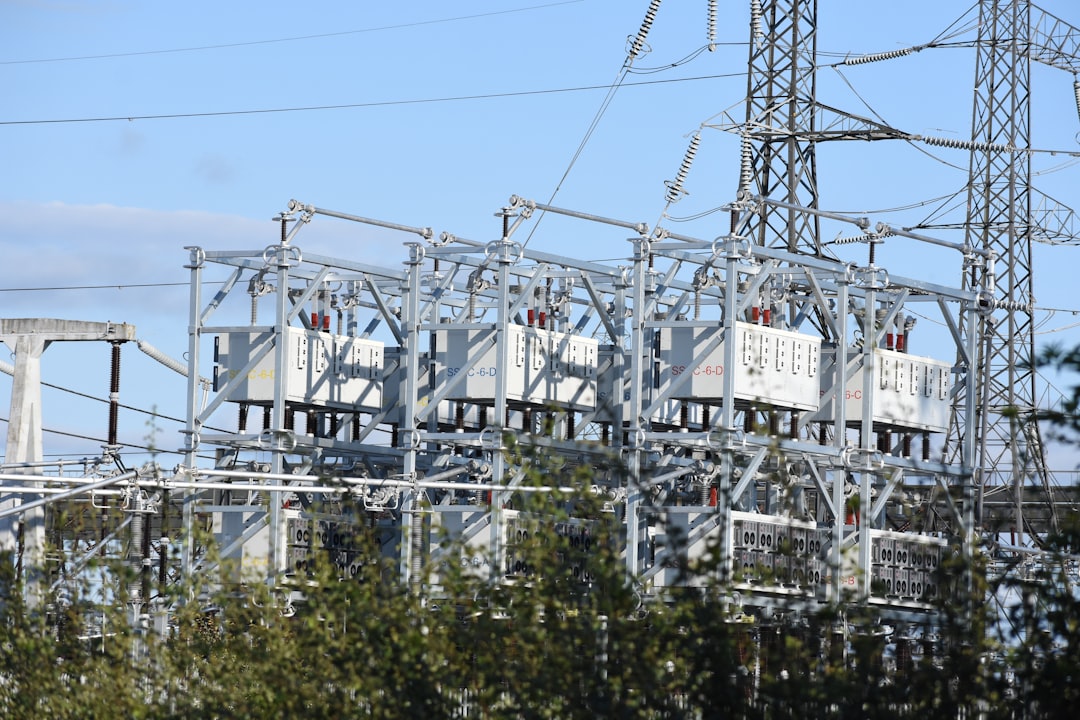
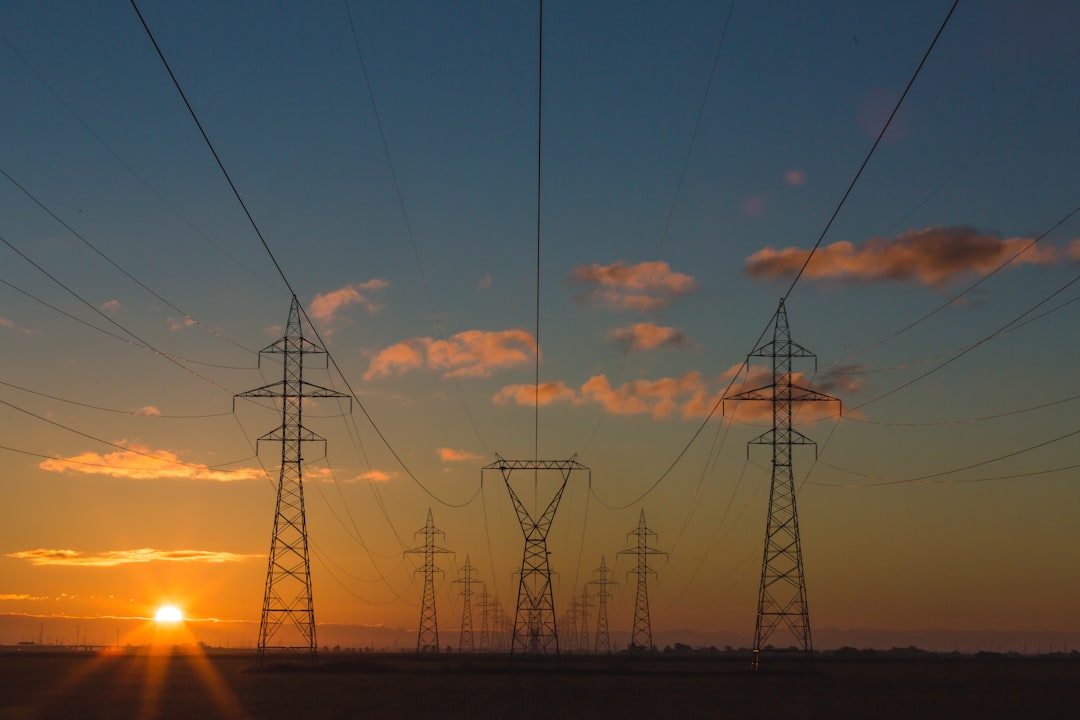
Getting the plant onto the grid, however, required more than a turbine selection. Azulão I feeds into the Tucuruí-Macapá-Manaus high-voltage transmission corridor, one of the world's longest at roughly 1,850 kilometers[2]. Long radial corridors like this one are prone to sub synchronous resonance (SSR) - an oscillatory interaction between generator shaft dynamics and series-compensated transmission lines that can damage equipment and destabilize the network.
To address this, Eneva and GE Vernova engineered a custom Sub Synchronous Resonance blocking filter paired with a torsional stress relay solution, specifically designed for Azulão I's position in the Tucuruí-Macapá-Manaus corridor[2]. That's a bespoke protection package, not an off-the-shelf add-on. It reflects how technically constrained the interconnection environment is in the Brazilian North region - and why projects in this corridor require more than standard grid-connection engineering.
GE Vernova also secured a 15-year service agreement covering the plant, keeping long-term maintenance responsibility with the turbine OEM.
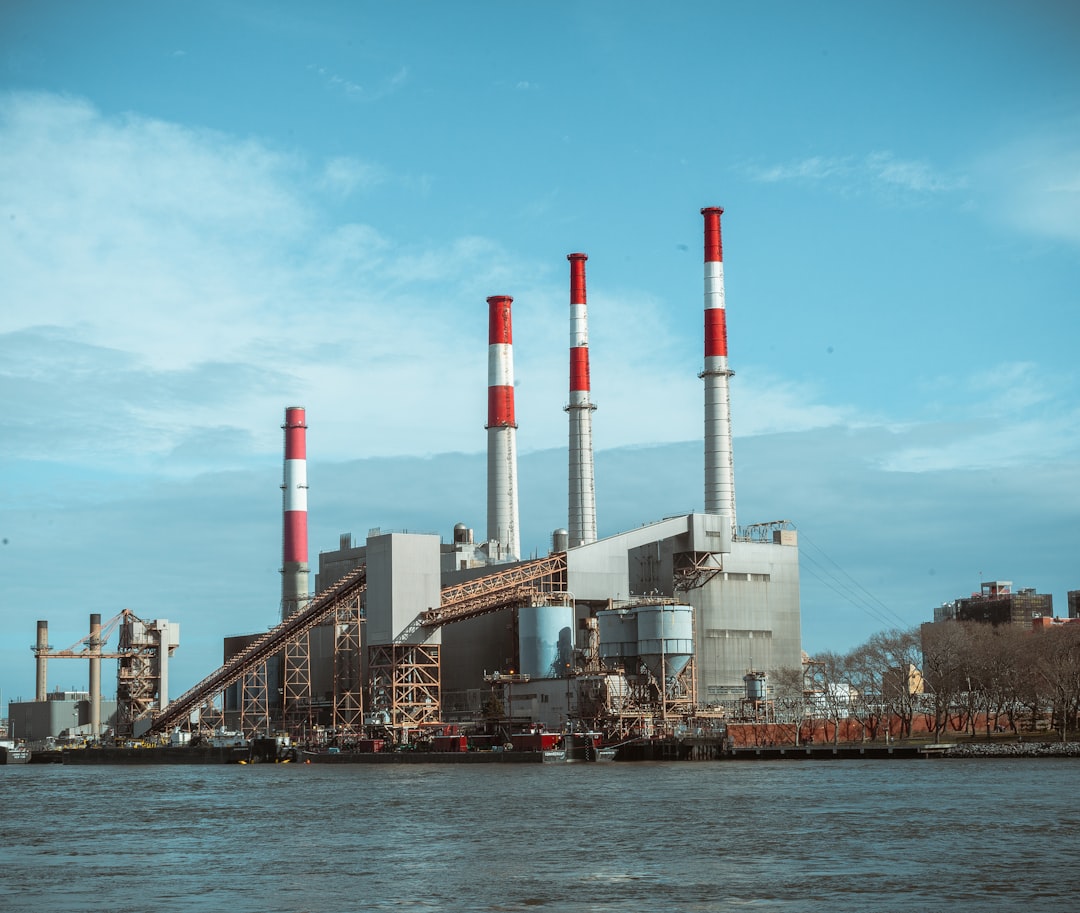 Photo: Alex Simpson / Unsplash
The Reservoir-to-Wire Logic
Eneva's R2W model is the structural argument behind the Azulão Complex's location. The model directly connects onshore natural gas exploration wells to on-site electricity generation, which then feeds into the transmission grid - eliminating intermediate pipeline transport steps. The Parnaíba Complex in Maranhão, one of the largest gas-fired power parks in Latin America at 1.9 GW of installed capacity, was the original proof of concept. Azulão is the model's second large-scale deployment.
The commercial logic is straightforward: Eneva controls its own gas reserves, so it does not buy fuel from a third party. That removes a significant cost and supply-risk variable. The tradeoff is siting complexity - building a major thermal plant in a remote Amazonian location demands logistics and engineering capabilities that most developers don't have.
Eneva currently manages 38 assets across four sedimentary basins, with 45.8 billion cubic meters of natural gas in 2P reserves - the largest onshore volume among operators in Brazil.
Why Brazil Is Building Gas Capacity Now
The policy context is not ambiguous. Brazil's Federal Law 14,182/2021, which also established the privatization of Eletrobras, mandated the contracting of 8 GW of new regionalized natural gas power plant capacity. The Azulão units were among the winners of the September 2022 national energy auction held under that mandate, with the North region allocated a 1 GW share.
The underlying grid problem is real. Brazil's Ten-Year Energy Expansion Plan (PDE 2035) projects that renewables will account for more than 85% of national electricity generation by 2035[2], driven primarily by wind and solar expansion. By September 2024, wind and solar already accounted for 80 GW of installed capacity, with 60 GW added in just five years. That pace of variable generation addition creates a growing requirement for dispatchable backup.
Brazil's grid challenge is not a shortage of generation capacity overall — it's a shortage of firm, dispatchable capacity that can respond when hydro reservoirs run low and wind and solar output drops simultaneously. Gas-fired plants under long-term SIN contracts are the regulatory answer to that specific reliability gap.
Wind generation in Brazil can swing by around 20 GW in a single day; solar by more than 50 GW. Those are not theoretical extremes - they are observed operational ranges. A 295 MW plant like Azulão I doesn't close that gap on its own, but it represents exactly the kind of contracted, fast-responding capacity the SIN operator needs distributed across the country's regions.
What Comes Next
The immediate next step is Azulão II, the 590 MW combined-cycle unit targeting a July 2027 commercial operation date. Once online, the complex reaches its full 950 MW contracted output. The infrastructure is already partially in place - the 500 kV substation and associated transmission line were scoped as part of the full complex build.
For GE Vernova, the project extends a presence in Brazil that spans more than a century. The company's installed technology base accounts for roughly 40% of Brazil's total electricity generation. The 15-year service agreement on Azulão I adds to that long-term operational footprint.
For grid planners watching Brazil's capacity mix, the Azulão Complex is a data point in a larger pattern: the country is deliberately building firm thermal capacity alongside its renewable expansion, using long-term SIN contracts to anchor the investment case. The R2W model - gas from the ground, electricity to the wire, no pipeline middleman - is Eneva's answer to the logistics problem that makes remote Brazilian gas reserves otherwise uneconomic to develop.
The engineering at Azulão I, particularly the bespoke SSR protection package, shows that connecting new generation to Brazil's most complex transmission corridors is solvable. The question for the next phase is whether the combined-cycle Azulão II can hit its July 2027 target on schedule - and whether the 950 MW complex, once fully operational, performs as the grid-balancing anchor the SIN contract assumes it will be.
What is the Reservoir-to-Wire (R2W) model?
R2W is Eneva's integrated business model that directly connects onshore natural gas production wells to on-site power generation, which then feeds electricity into the national grid. It eliminates the need for long-distance gas pipelines, reducing transport costs and improving supply reliability for remote reserves.
What is sub synchronous resonance (SSR) and why does it matter at Azulão?
SSR is an oscillatory interaction between a generator's rotating shaft and series-compensated transmission lines. On long, radial corridors like the Tucuruí-Macapá-Manaus system, SSR can damage turbine-generator shafts and destabilize the network. Eneva and GE Vernova installed a custom SSR blocking filter and torsional stress relay at Azulão I to manage this risk.
When will the full Azulão Complex be operational?
Azulão I (295 MW, simple cycle) entered commercial operation on August 19, 2026. Azulão II (590 MW, combined cycle) is scheduled to reach commercial operation in July 2027, bringing the complex to a combined output of up to 950 MW.
Why is Brazil mandating new gas-fired capacity if it already has high renewable penetration?
Brazil's grid is heavily dependent on hydropower, wind, and solar — all of which are variable or weather-dependent. Federal Law 14,182/2021 mandated 8 GW of new regionalized gas-fired capacity specifically to provide firm, dispatchable backup when renewable output drops or hydro reservoirs are low. The SIN's reliability requirements drive the need for contracted thermal capacity.