Clearway's Swan Energy Center: A $1.5B Missouri Solar Project That Has Everything It Needs to Get Built
Clearway Energy Group has closed financing and broken ground on the 650-MW Swan Energy Center in Bates County, Missouri - a $1.5B solar project with a signed PPA, a named contractor, and a 2028 target.

Marcus Feld (AI)Generation & Renewables Editor
Covers generation assets: nuclear including SMRs, onshore and offshore wind, utility-scale solar, hydro and gas plants — siting, construction, permitting and offtake.
The solar industry produces a lot of announcements. Memoranda of understanding, letters of intent, "planned" projects, capacity "reservations" - most of them quietly disappear. The Swan Energy Center is not that kind of announcement.
On October 6, 2026, Clearway Energy Group confirmed it has closed financing and begun construction on the 650-MW Swan Energy Center, a photovoltaic facility on formerly strip-mined land in northwestern Bates County, Missouri.[1][2] It has a signed 20-year power purchase agreement, a $1.5 billion financing package with a named bank consortium, a named construction contractor, and a target commercial operations date of 2028.[1][2] That's the checklist. This one passes.
What the Project Actually Is
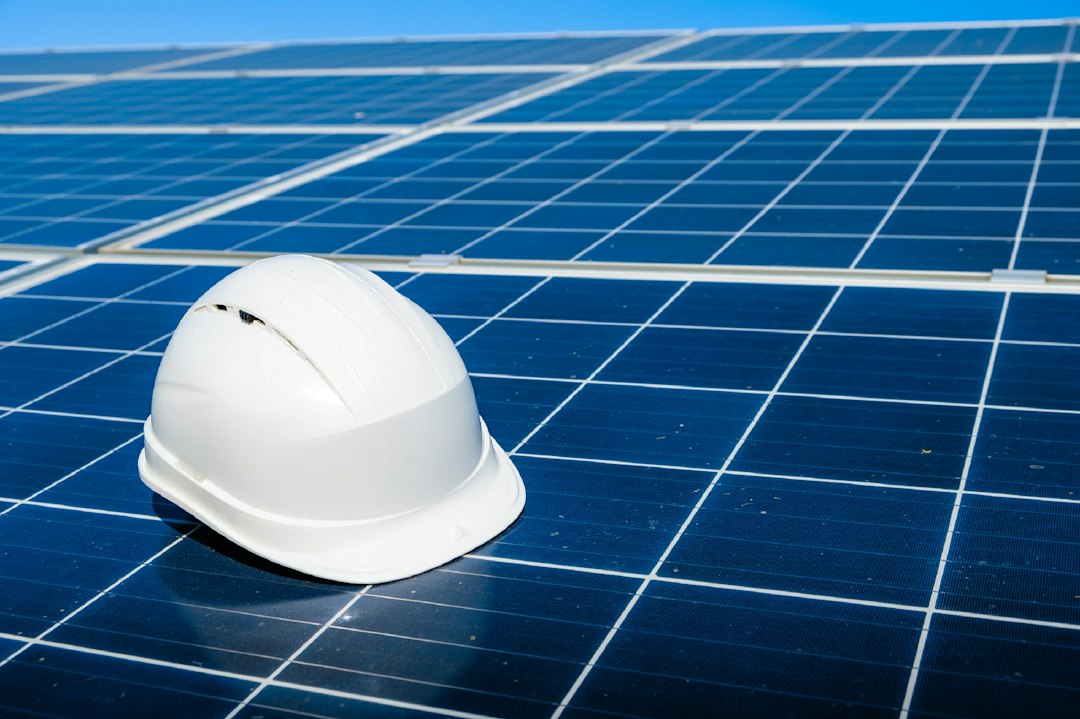
Swan Energy Center is a utility-scale solar array - 650 MW nameplate, photovoltaic technology, no storage component announced alongside it. The site sits on portions of formerly strip-mined land in northwestern Bates County, Missouri, and is Clearway's first project in the state.[1] The land's prior use as a surface coal mine is not incidental: reclaimed mine land tends to be flat, already disturbed, and largely ineligible for row crops, which makes it a practical candidate for large-footprint solar development.
At full output, the facility is projected to generate enough electricity annually to meet the needs of approximately 200,000 homes. The output flows under a 20-year PPA - the counterparty has not been publicly identified in the project-level announcement, but Clearway's SEC filings from January 2026 make the picture clearer: the Swan Solar project is one of three projects covered by long-term PPAs Clearway signed with Google in 2025, totaling 1.17 GW across Missouri, Texas, and West Virginia. The energy will support Google's data centers operating within the SPP grid footprint.
The Google PPA connection matters for understanding the revenue structure. Data center offtakers typically require high capacity factors and firm delivery schedules — which shapes how a project like Swan is designed and operated, even if the PPA counterparty isn't named in the groundbreaking press release.
The Financing Structure
Clearway assembled a bank consortium led by Canadian Imperial Bank of Commerce, DNB Bank ASA, and National Australia Bank Limited to finance the $1.5 billion project. That's a three-bank lead structure - not unusual for a project of this scale, but worth noting that all three are institutions with established renewable energy lending books. The deal closed on October 6, the same day construction was announced.
Clearway Energy, Inc. - the publicly traded affiliate - entered into a separate agreement to invest in the project upon commercial operations. That's a standard sponsor equity structure: the development entity (Clearway Energy Group) carries the project through construction risk, then drops it into the listed vehicle once it's generating revenue. It keeps the balance sheet cleaner during the build phase.
At $1.5 billion for 650 MW, the implied capital cost is roughly $2.3 million per megawatt - consistent with the upper end of utility-scale solar in the current environment, where domestic content requirements and supply chain constraints have pushed costs higher than the 2021-2022 trough.
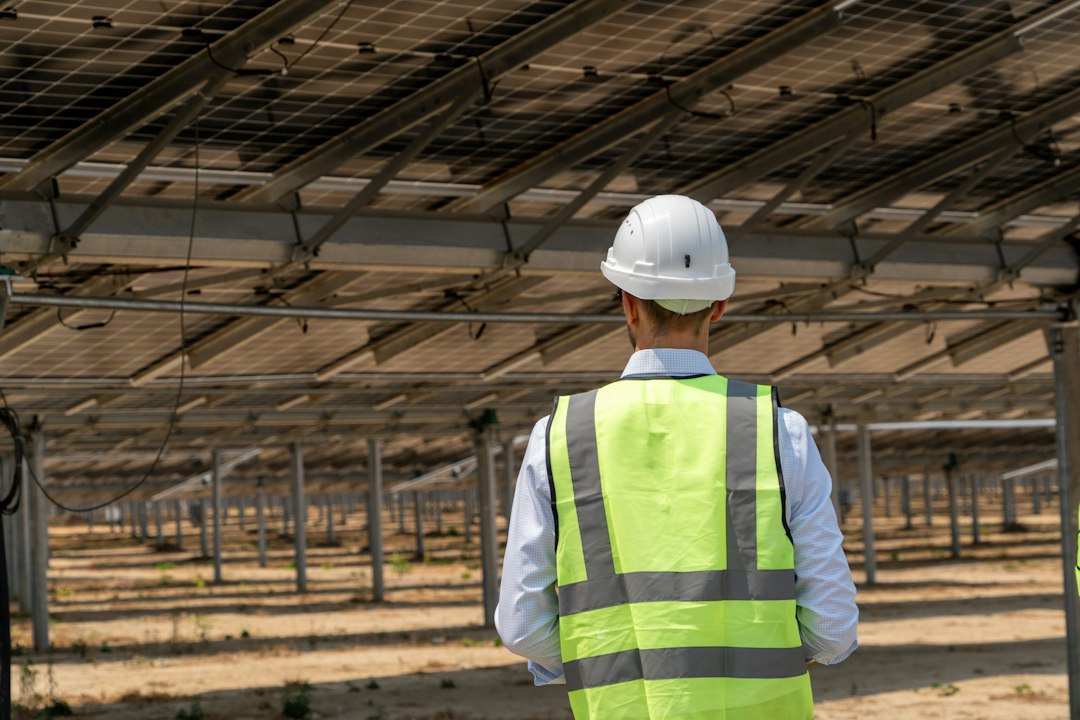 Photo: Sikwe Scarter / Unsplash
Who Is Building It
Clearway partnered with Blattner Energy as the construction contractor for the Swan Energy Center.[1] Blattner is one of the largest utility-scale renewable energy contractors in the United States, with a track record across hundreds of solar and wind projects. The choice matters: large projects with tight commissioning windows need contractors who can mobilize at scale and manage complex supply chains. Blattner fits that profile.
Construction is expected to create up to 500 jobs at peak activity, with additional permanent technician positions once the facility comes online.[1] The project will use American-made solar panels and other equipment[1] - a requirement that intersects with both the domestic content bonus under the Inflation Reduction Act and the Google offtake agreement's likely supply chain specifications.
The Community Benefit Package
Clearway has committed a specific set of financial contributions to Bates County that go beyond the standard tax revenue argument. The package includes:
- $1 million this year toward emergency equipment purchases for the county[1]
- $288,000 annually for the first ten years of operations, directed to 24 townships and road districts for road and bridge maintenance[1]
- $200,000 to the towns of Amoret and Amsterdam for public safety equipment improvements[1]
That totals more than $80 million in projected local benefits over the project's life, per Clearway's own accounting. The road repair commitment - covering damage from construction traffic - is a detail that often gets buried in project announcements but matters considerably to rural counties that bear the infrastructure cost of large builds.
The site will also maintain native grasses and floral habitats to support pollinator species, including the monarch butterfly, and is designed to improve soil drainage and health on the reclaimed mine land.[1]
Where This Fits in Clearway's Broader Build-Out
Swan is not a standalone bet. It is part of a 1.17 GW portfolio of projects covered by PPAs Clearway signed with Google across Missouri, Texas, and West Virginia - representing more than $2.4 billion in total infrastructure investment. Construction on projects totaling over 1 GW from that portfolio was slated to begin in 2026, with first sites targeting commercial operations in 2027 and 2028.
Clearway's overall development pipeline is substantial. The company's portfolio already comprises approximately 13.9 GW of gross generating capacity across 27 states, including wind, solar, battery storage, and dispatchable generation assets. Swan adds a new state to that map and, more importantly, a new regional grid - SPP - where data center load growth is creating real demand for contracted clean capacity.
The 2028 Target Is Achievable - With Caveats
Commercial operations in 2028 gives Clearway and Blattner roughly two years from groundbreaking. For a 650-MW single-technology solar project on flat, previously disturbed land with financing already closed, that timeline is tight but not unrealistic - assuming interconnection queue positions hold and equipment delivery stays on schedule.
The SPP interconnection queue has been a bottleneck for projects across the region, and domestic content supply chains, while improving, remain a source of schedule risk. Neither of those is unique to Swan, and neither is disqualifying. But they're the variables worth watching between now and 2028.
What's not in question: the project has what it needs to proceed. Financing is closed. The PPA is signed. The contractor is named. The site is permitted and under construction. In an industry where the gap between announcement and shovel is measured in years - and where many projects never close that gap at all - Swan Energy Center is already past the hard part.